19–20.02.2026 • 16.04.2026 • 28–29.05.2026 • 29.05.2026
Conference on Public Remembrance
A series of seminars and meetings dedicated to research, memory activism, and contemporary commemorative practices.
1/5
events Programme
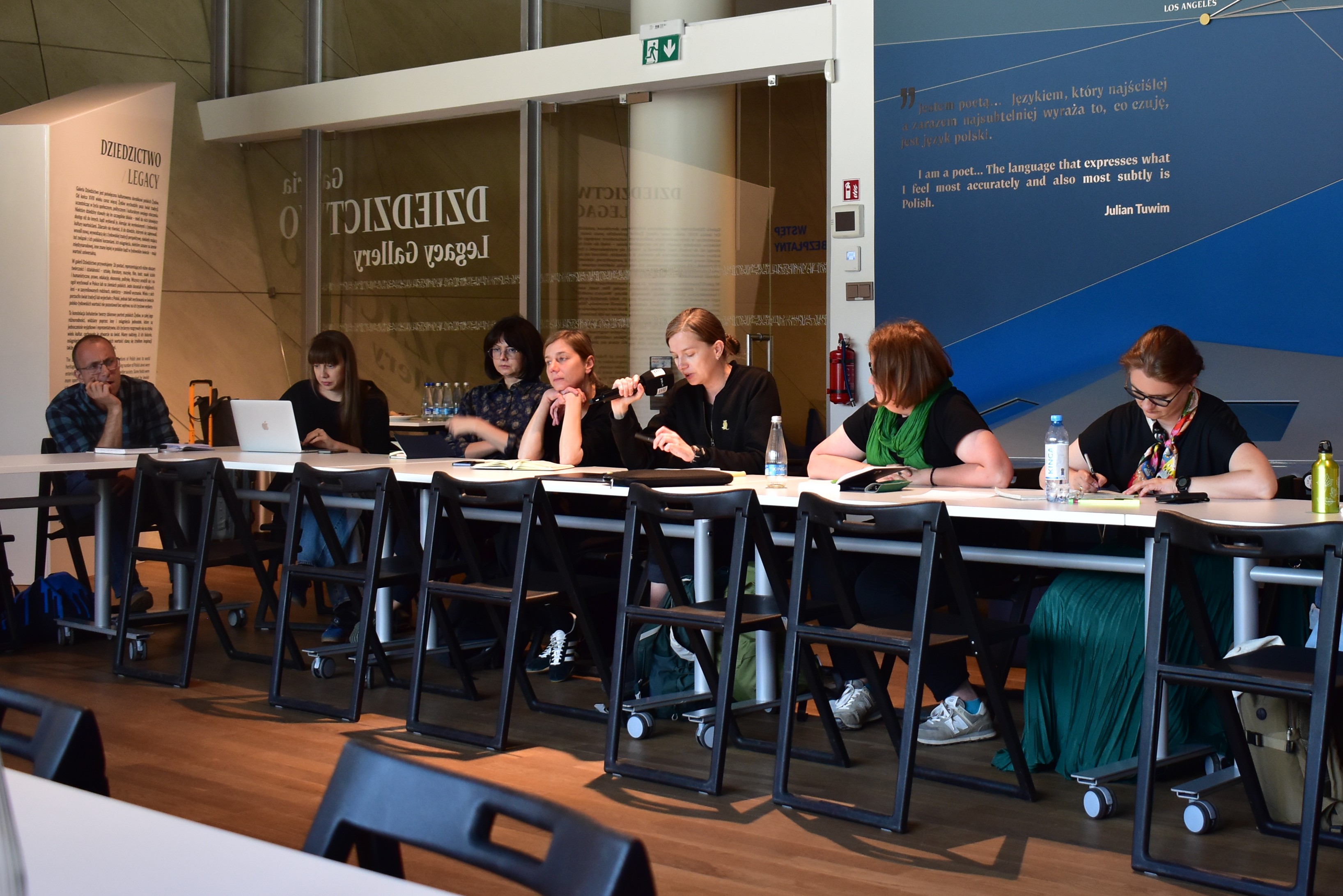
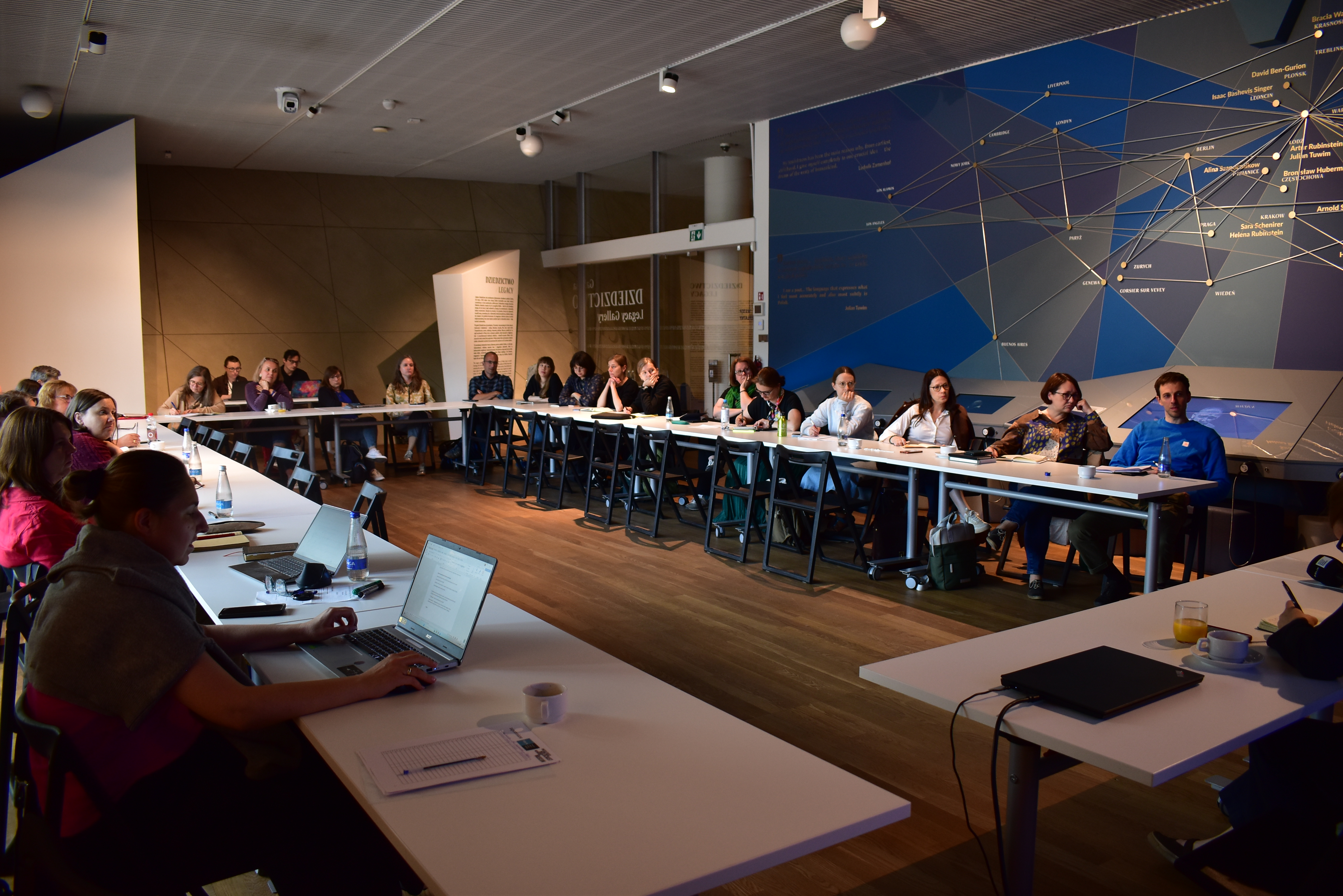
The Zapomniane Foundation, in partnership with the POLIN Museum of the History of Polish Jews, organised the “Conference on Public Remembrance” series to create a platform for dialogue between researchers, memory activists, museum professionals, and heritage practitioners. Combining academic reflection with commemorative practice, site-based activities, and the experience of professionals working with difficult heritage, the programme explored contemporary approaches to public remembrance and Holocaust memory.
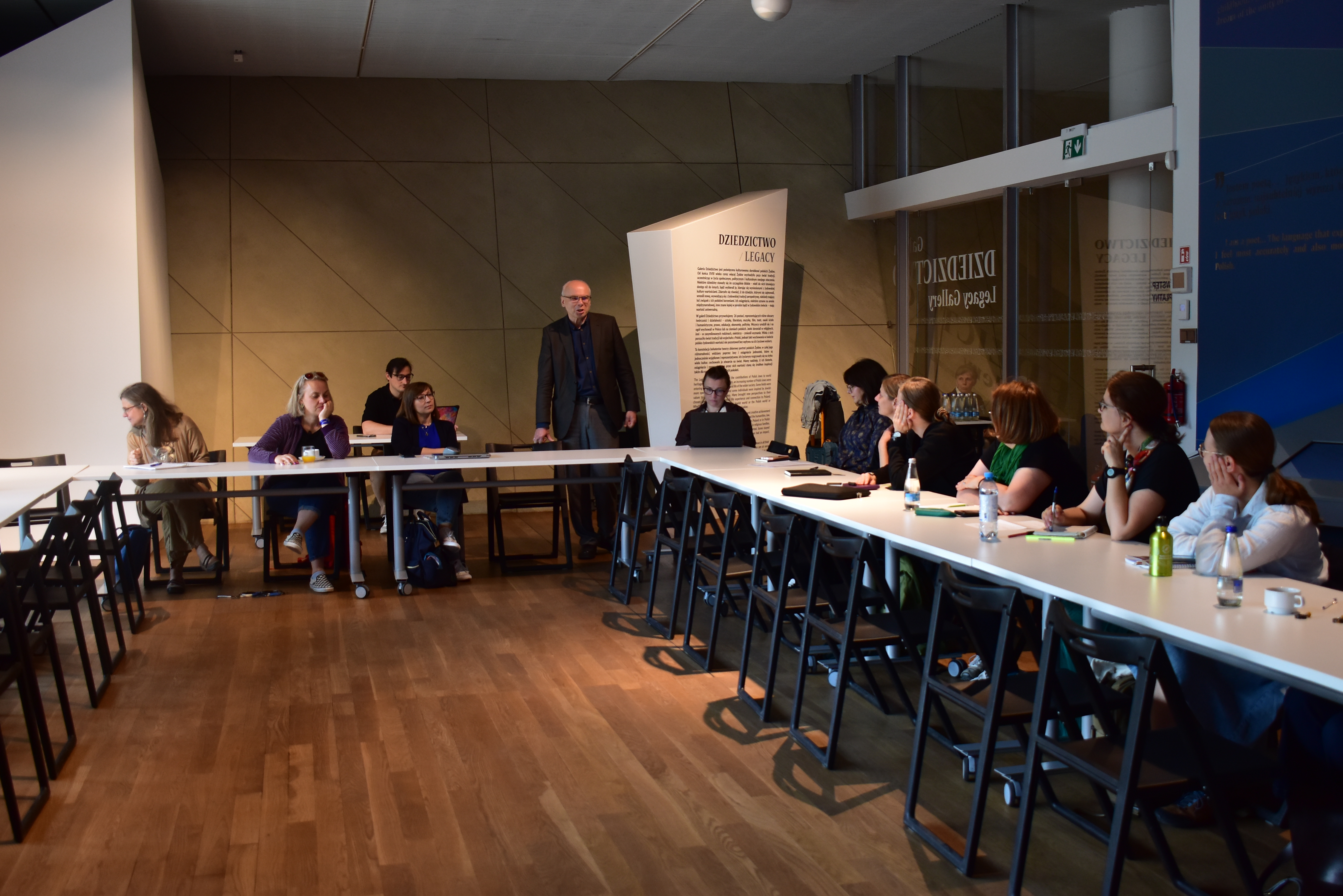
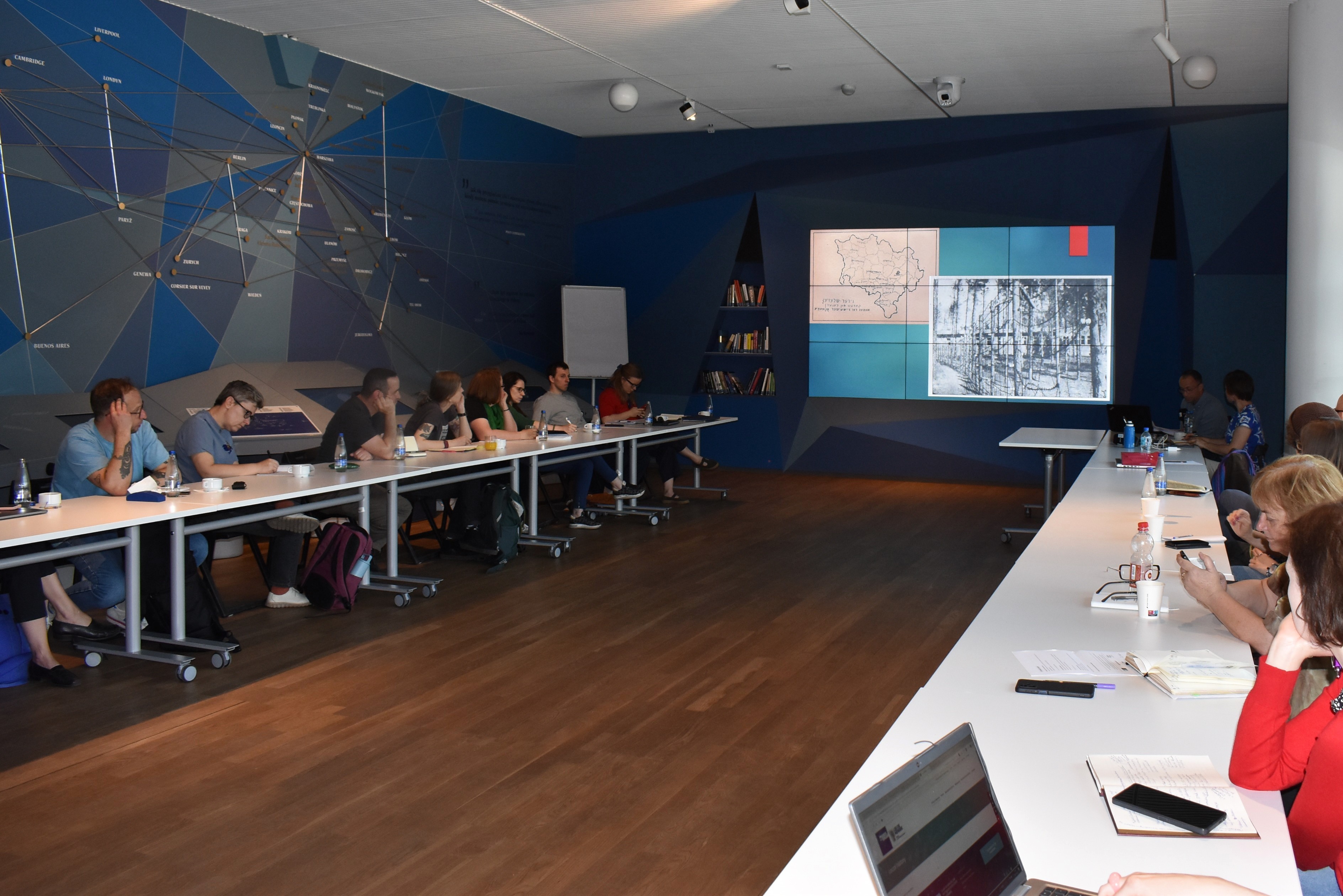
The first part of the series consisted of the fifth and sixth Workshops for Holocaust Scholars, co-funded by the United States Holocaust Memorial Museum (USHMM). The workshops brought together early- and mid-career Holocaust researchers, creating a forum for presenting ongoing research, exchanging ideas, and engaging in scholarly discussion. Topics included the genocide of the Carpathian Roma, the impact of contemporary political discourse on Holocaust knowledge, the “architecture of (non)memory” in former shtetls and burial sites, and current approaches to Holocaust education. Participants also visited the POLIN Museum exhibition The Power of Words. On Jewish Languages, which served as a starting point for discussions on the role of language in shaping historical memory.
The second workshop focused on the language used to describe the Holocaust and the ways historical narratives influence public remembrance. Discussions examined wartime chronicles, including the diary of Ludwik Landau, as well as the role of the first post-war Holocaust exhibitions in shaping contemporary commemorative practices.
The programme was complemented by two events addressed primarily to memory activists and heritage professionals. At the POLIN Museum, a session organised together with the Miszpucha Foundation featured presentations by Professor Dariusz Stola and Dr Natalia Romik on the antisemitic campaign of March 1968 in Poland and the museum exhibition dedicated to this history. The discussion explored the role of museums, civil society, and grassroots initiatives in shaping public remembrance and examined how academic research can be connected with community-based memory work.
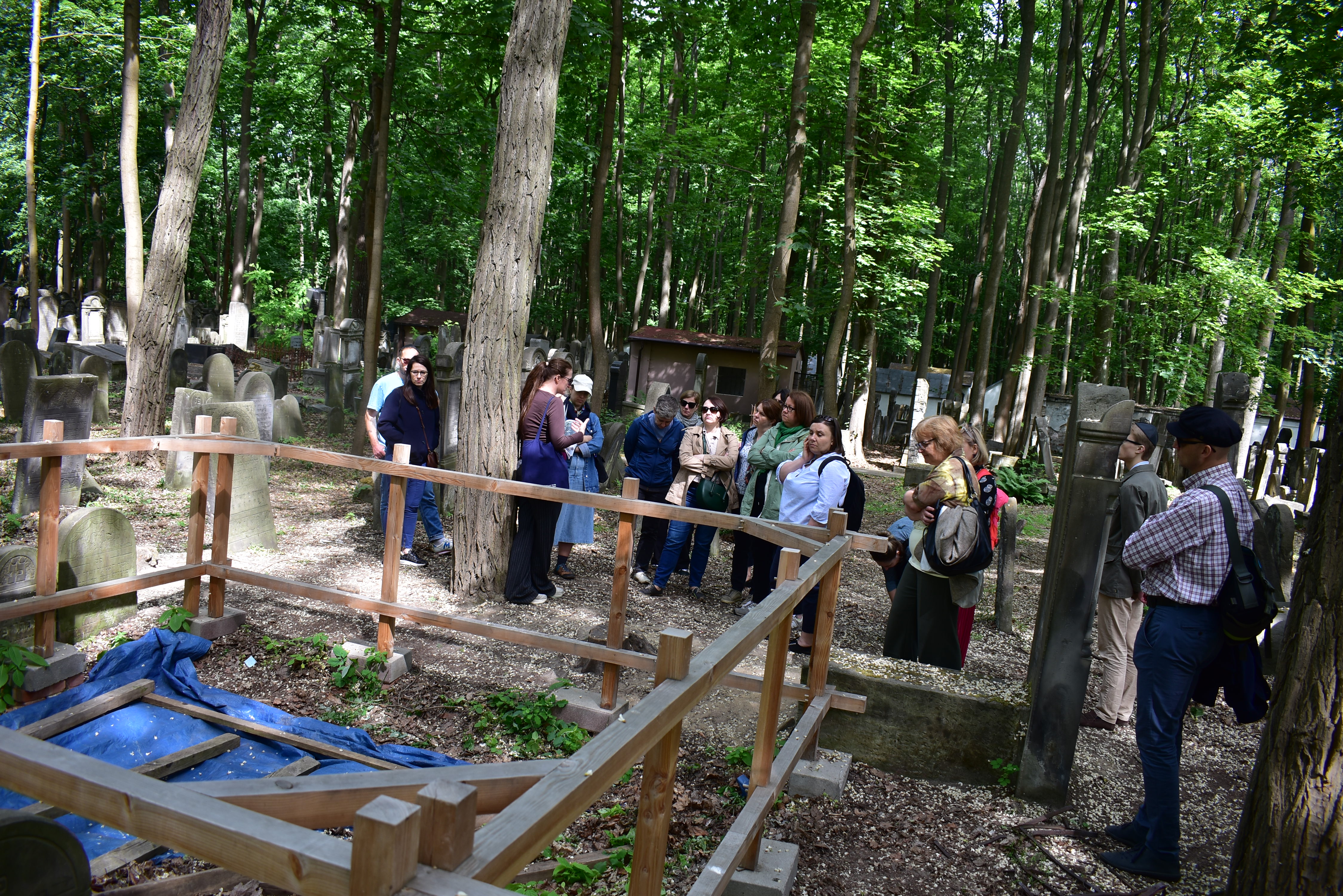
The series concluded with a field seminar at the Jewish Cemetery on Okopowa Street in Warsaw. During a guided research walk, participants examined material traces of the Holocaust and different historical and contemporary strategies of commemoration present throughout the cemetery. Dr Aleksandra Janus presented the changing languages and aesthetics of remembrance, tracing the evolution of commemorative practices from the first post-war initiatives to contemporary approaches based on collaboration with local communities. The seminar provided an opportunity to reflect on responsibility for sites of memory and on the role of heritage practitioners in their protection and interpretation.
By combining academic workshops, expert discussions, museum visits, and field-based learning, the programme strengthened collaboration between academia, cultural institutions, and civil society organisations. Participants not only exchanged research findings and professional experiences but also developed ideas for future collaborative research, educational, and commemorative initiatives. The series demonstrated that responsible public remembrance is built through cooperation across disciplines and through sustained dialogue between research, professional practice, and memory activism.
📸 Katarzyna Winiarska