
20-29.06.2025
FestivALT 2025
A festival of art, memory, and contemporary social challenges
1/3
events Programme
The ninth edition of FestivALT took place in Kraków from 20 to 29 June 2025. Organised by FestivALT, the festival brought together artists, researchers, educators, activists, and members of the public to explore questions of Jewish memory, difficult heritage, democracy, and contemporary social challenges.
The central theme of the 2025 edition was Hope, understood not as passive optimism but as a practice grounded in dialogue, cooperation, and civic responsibility. Through artistic projects, public discussions, and community events, the festival invited audiences to reflect on history and its relevance to contemporary society.
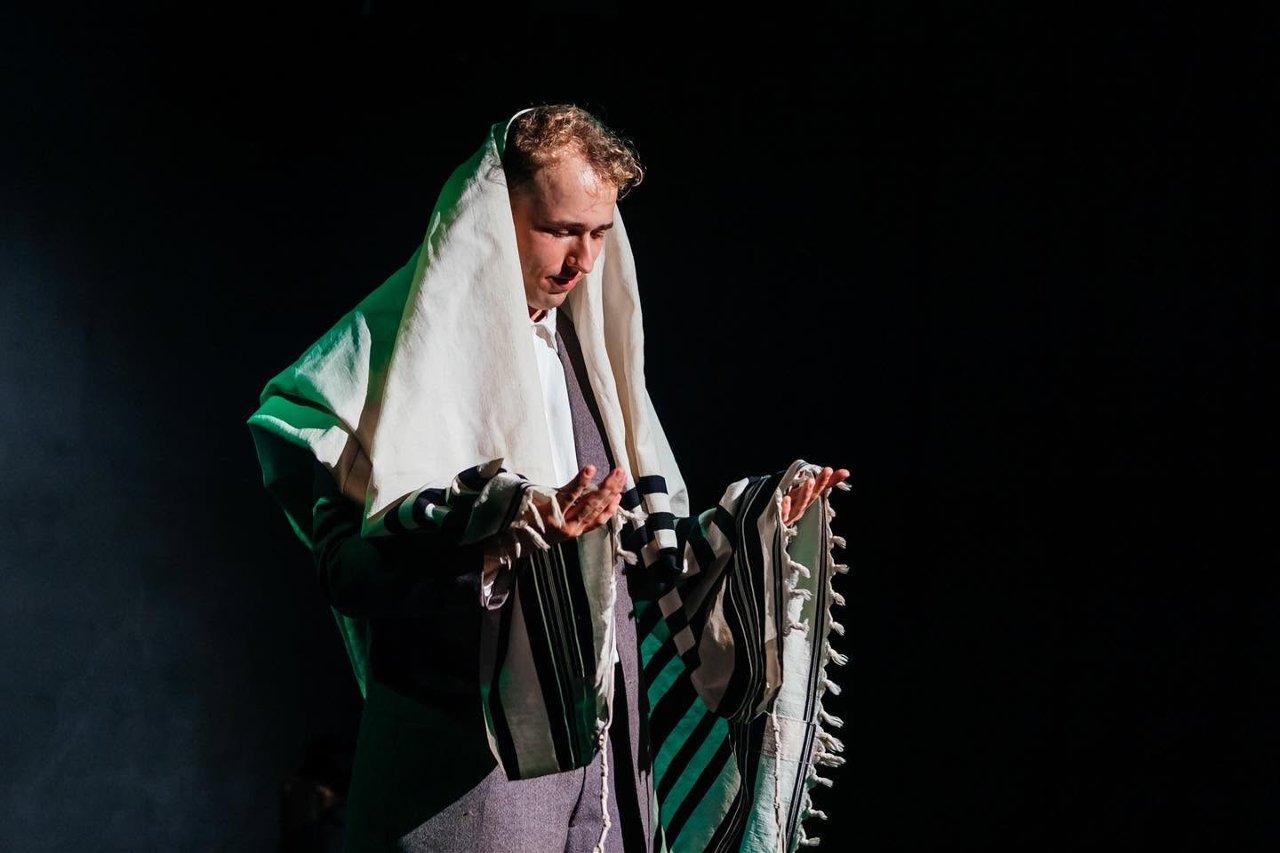
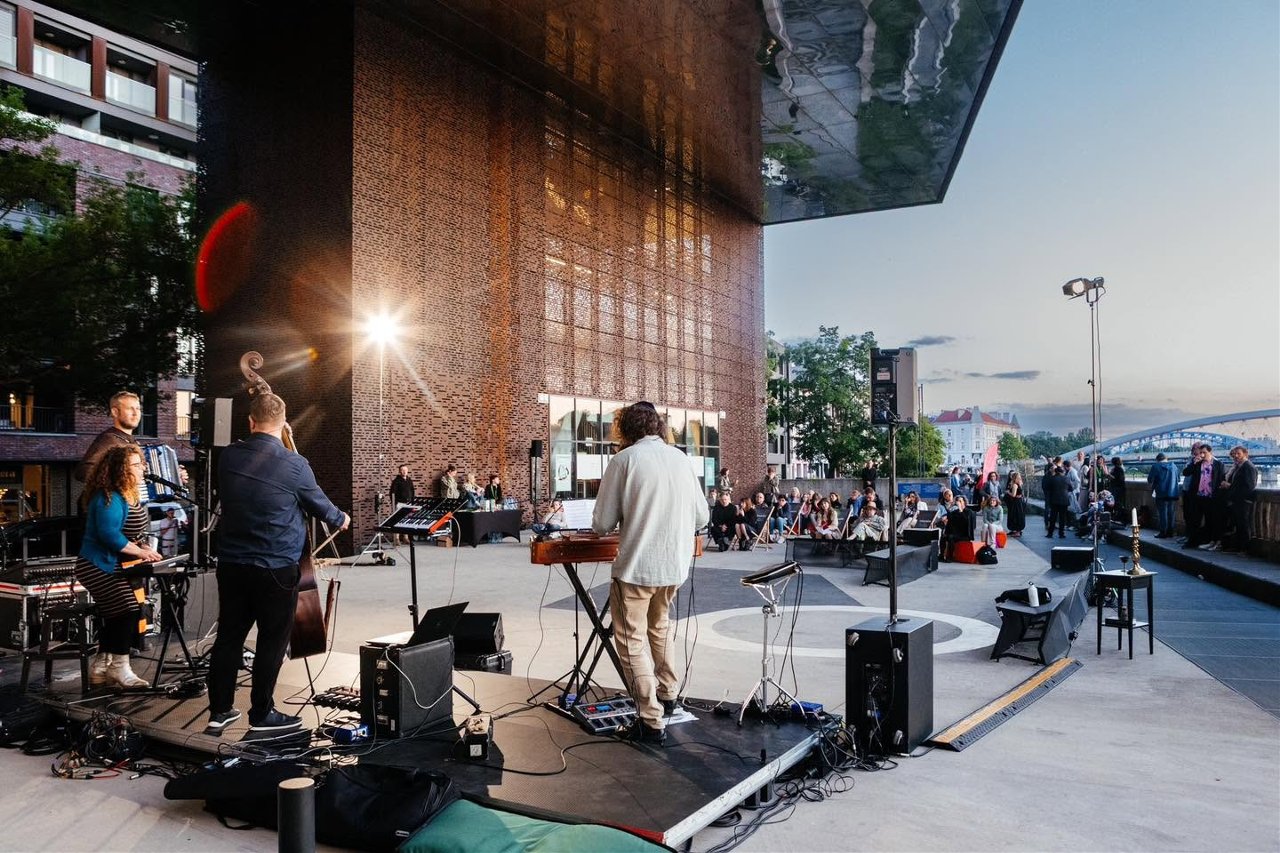
The programme included theatre performances, contemporary art exhibitions, concerts, documentary film screenings, lectures, workshops, and participatory events. Highlights included the opening Shabbat by the Vistula, the exhibitions Life Is With People and Hymns to the Goddess, the performances Voice from the Heart of Hell, Ta'am, Epitaph, and The Longlasting Project, the KulturDocs documentary screening and discussion, and the participatory workshop (Re)collecting Post-Jewish Objects. Together, these events explored themes of historical responsibility, collective memory, migration, minority experiences, and the role of culture in addressing exclusion and discrimination.
The 2025 edition also marked the first time that Israeli artists took part in the festival programme. Shortly before the festival opened, however, the escalation of the conflict between Israel and Iran affected the implementation of several planned activities. The closure of Israeli airspace prevented one participating artist from travelling to Kraków, resulting in the cancellation of one event. In response, the organisers chose to present a more intimate programme, placing greater emphasis on conversations, small-scale encounters, and shared reflection.
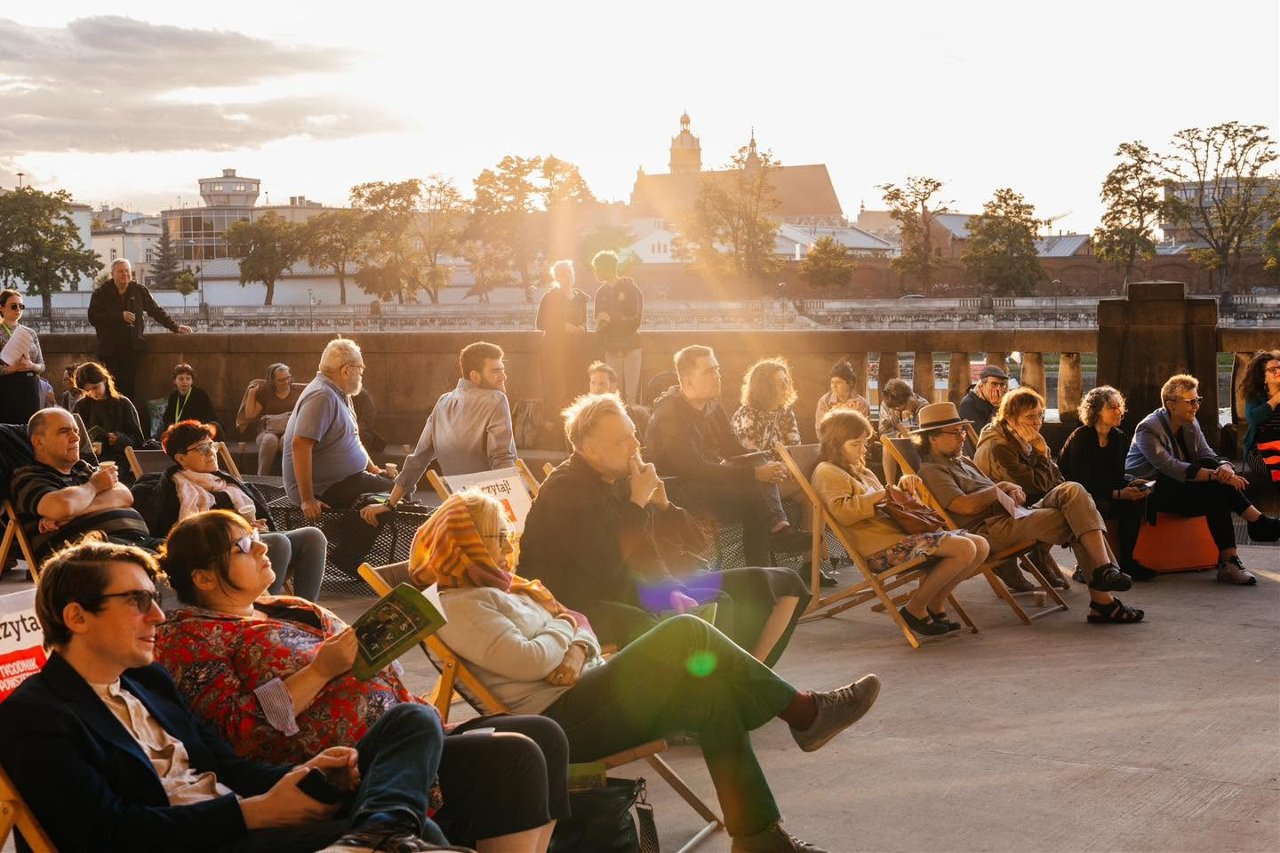
A distinctive feature of FestivALT 2025 was the strong emphasis on dialogue. Most artistic events were accompanied by moderated discussions, question-and-answer sessions, or artist talks, allowing audiences to engage directly with artists, researchers, and cultural practitioners. These conversations encouraged participants to consider the contemporary relevance of memory, democracy, and responsibility for history.
Despite the organisational challenges resulting from the international situation, the festival delivered almost its entire programme. The event highlighted the value of collaboration between artistic practice, research, and memory activism, demonstrating how cultural initiatives can create spaces for discussion about history and its continuing impact on contemporary society.
📸Vira Kosina-Polańska

