
06.06.2026 & 22.06.2026
 Wrocław, Poland
Marking of Jewish heritage sites in urban landscape
A series of public educational and commemorative activities
Wrocław, Poland

1/11
events Programme
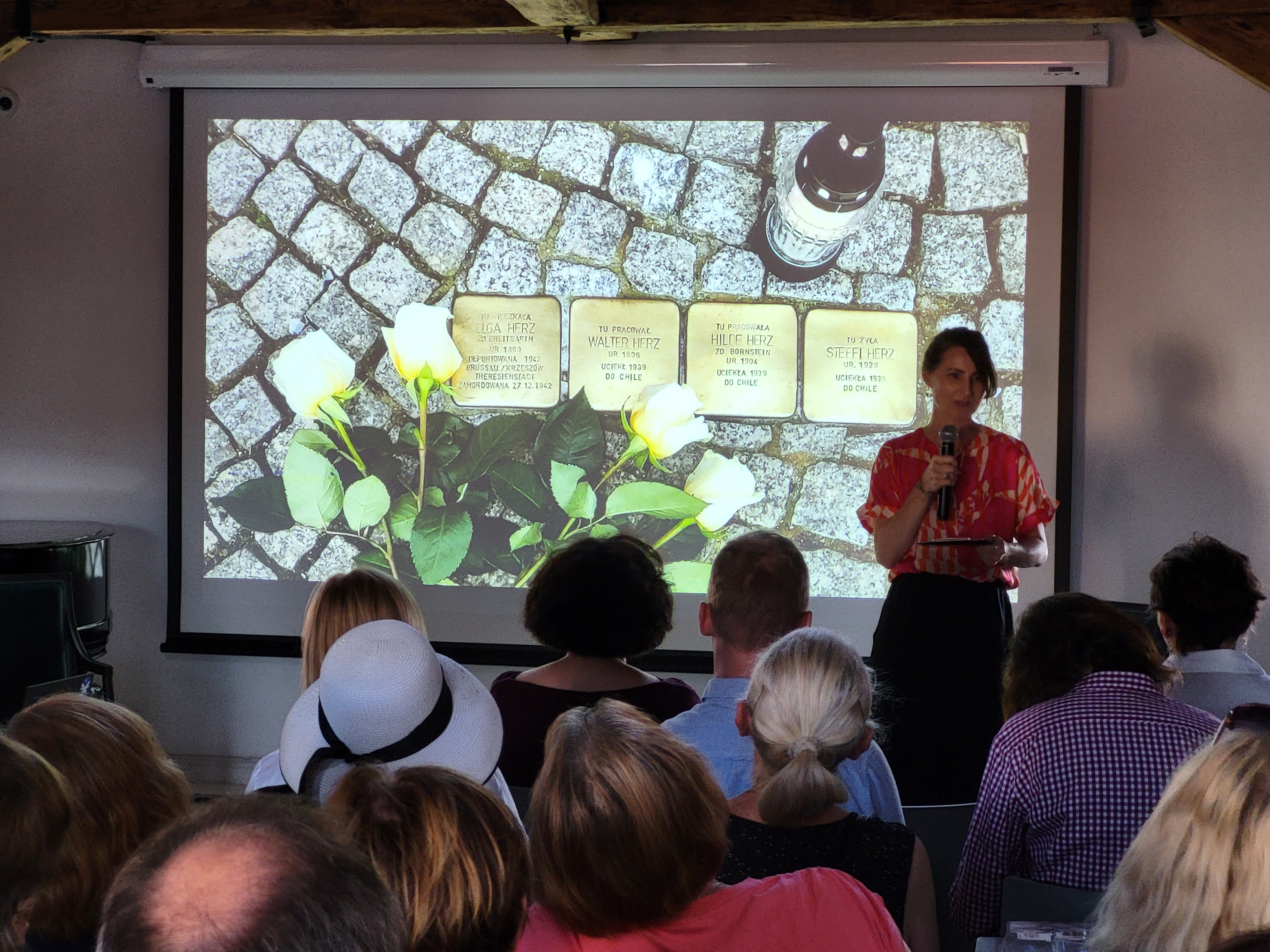
The series of public educational and commemorative activities is exploring the biographies of former Jewish and non-Jewish residents of Breslau (today Wrocław), focusing on the relationship between archival research, memory activism, and contemporary forms of commemoration, such as Stolpersteine in the urban landscape.
CITY WALK
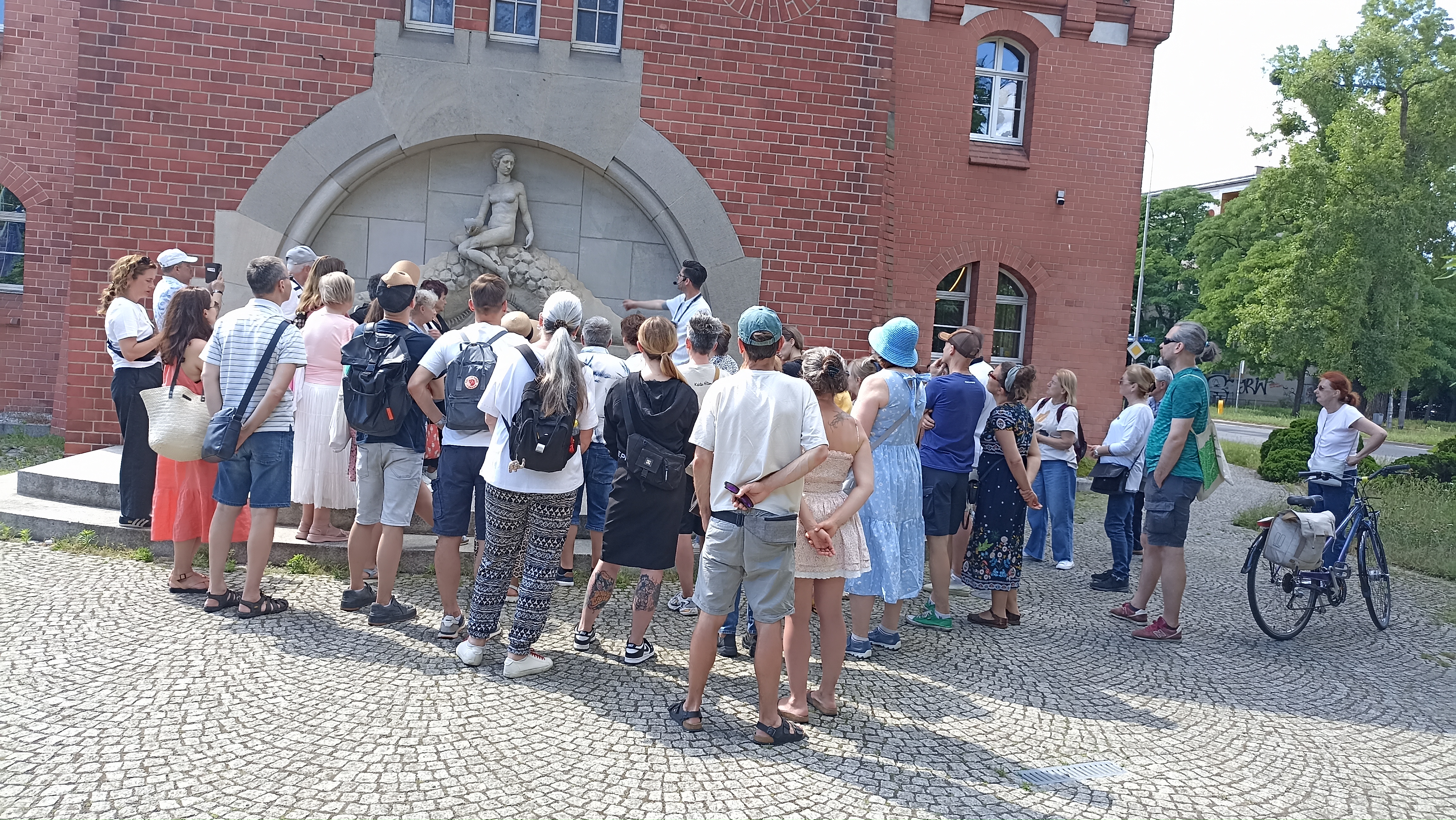
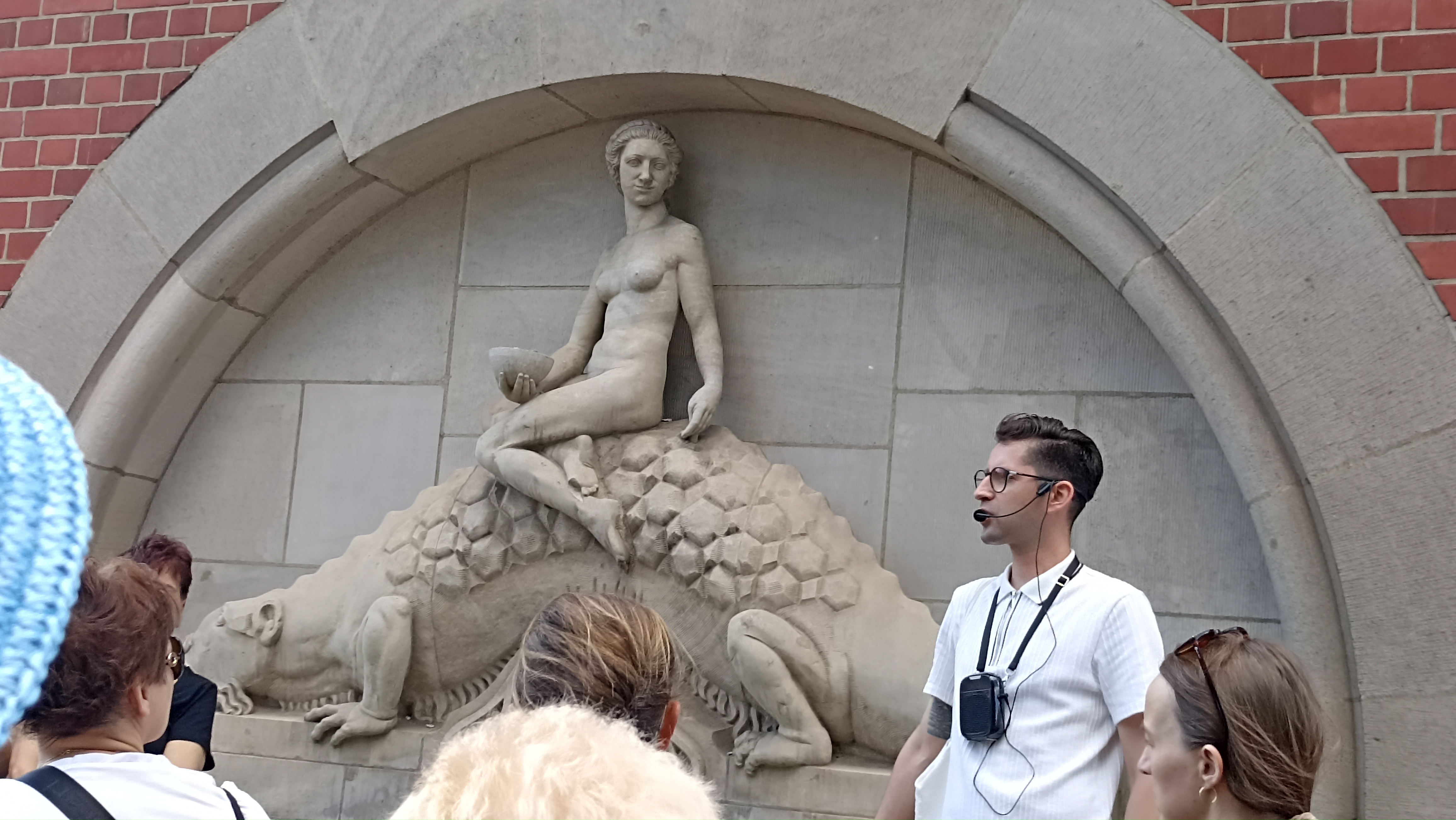
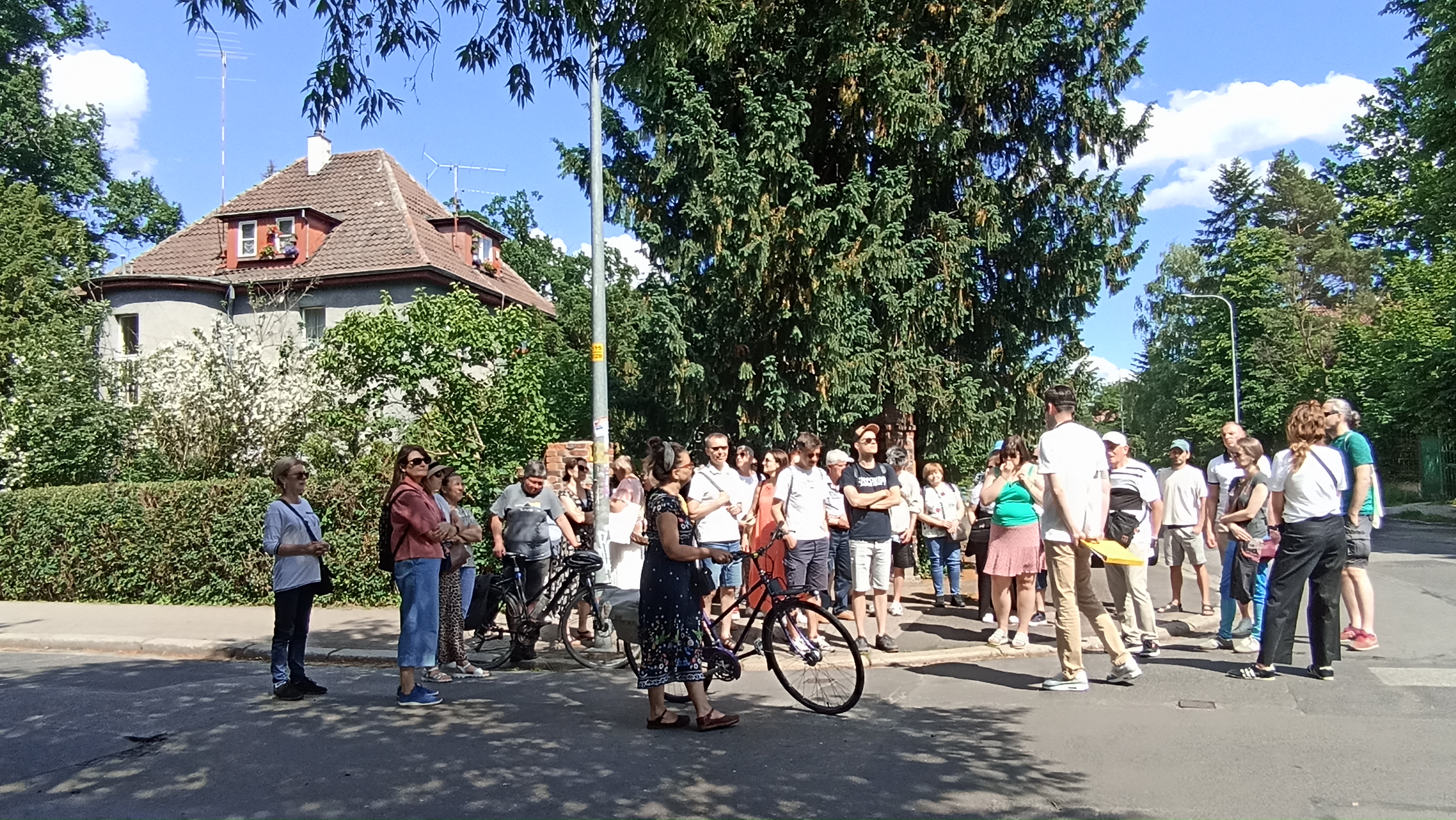
Come join us for the heritage walk through Borek, one of the most prestigious residential districts of pre-war Breslau. Led by local activist and city guide Maciej Wlazło, the walk will explore the lives of Jewish collectors (i.e. Max Silberberg), art patrons, entrepreneurs, scientists, and architects who contributed to the cultural and intellectual life of the city. You will learn about private art collections once housed in the district’s villas, ranging from Old Masters to modern art, and discussed the fate of these collections following the Nazi seizure of power in 1933 and the political transformations after 1945.
We will look for traces of former residents that remain visible in the city today, including Stolpersteine (Memory Stones) commemorating victims of Nazi persecution in this area, i.e. Egbert Kipke who was sentenced under §175 as a queer person in 1939 and sent to camps in Emsland, then to Auschwitz (Memory Stone on Aleja Wiśniowa 22) or the family of Jewish historian Willy Cohn who together with his family was deported in 1941 to Kaunas and murdered there.
PUBLIC SEMINAR
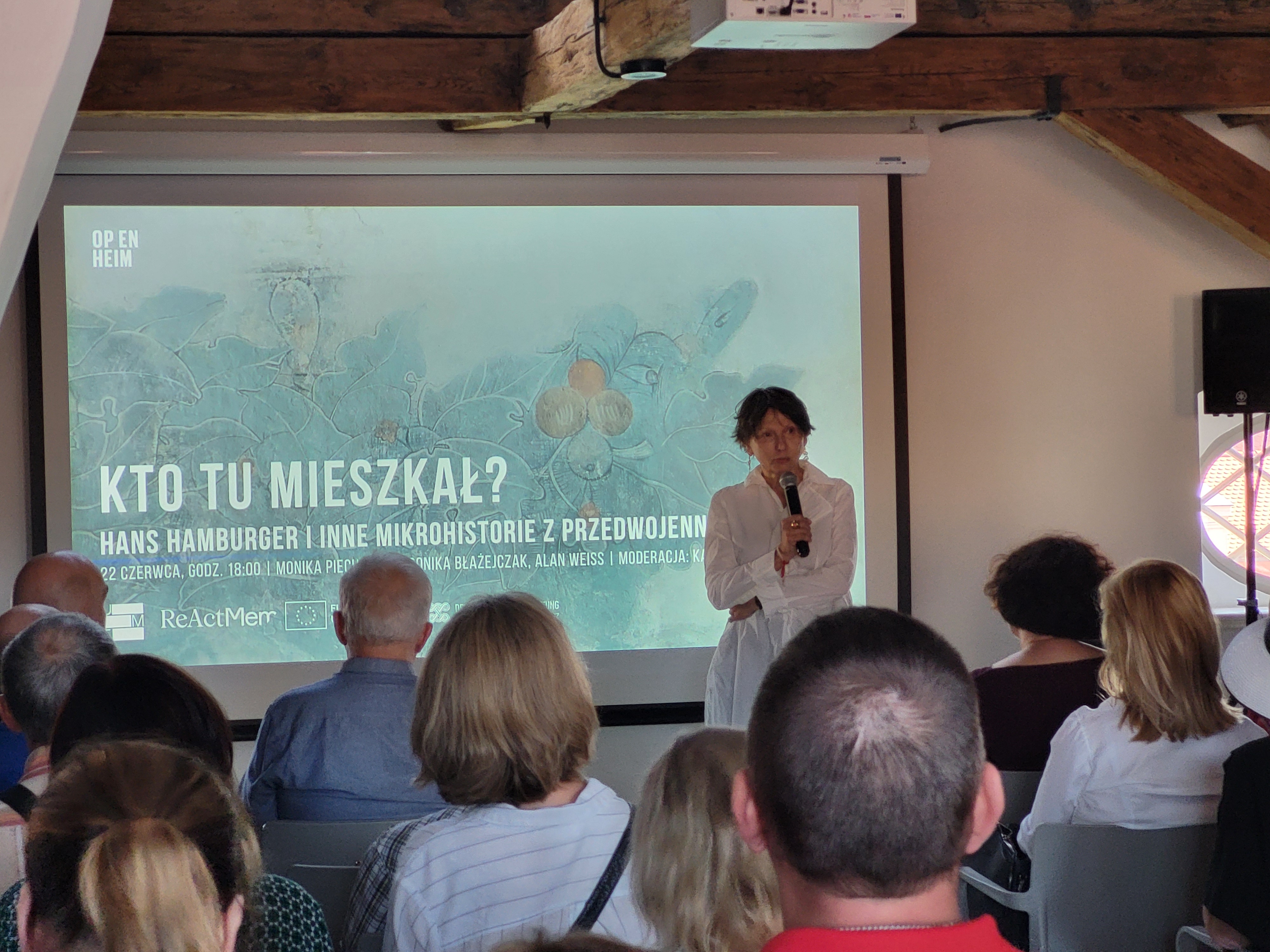
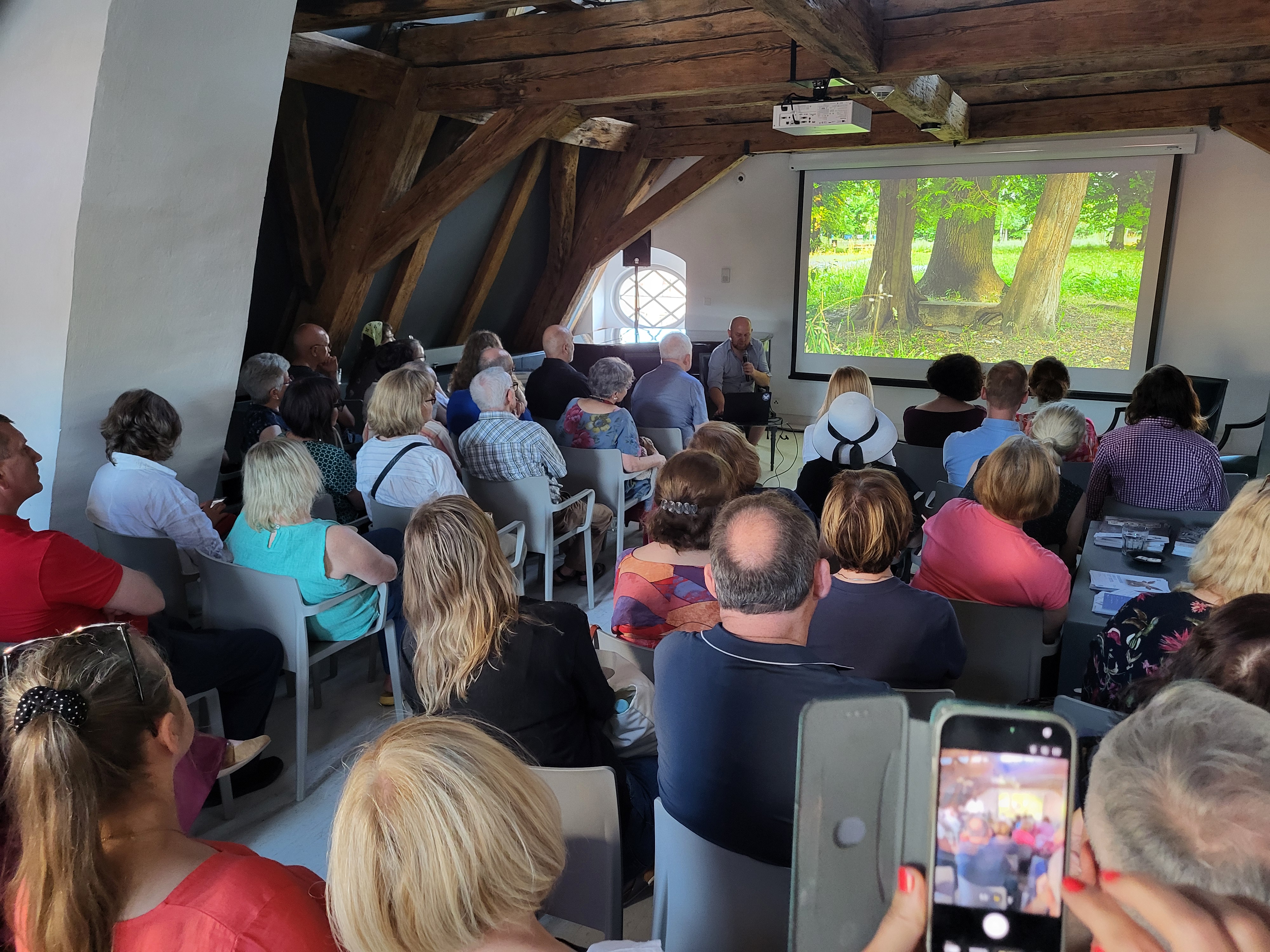
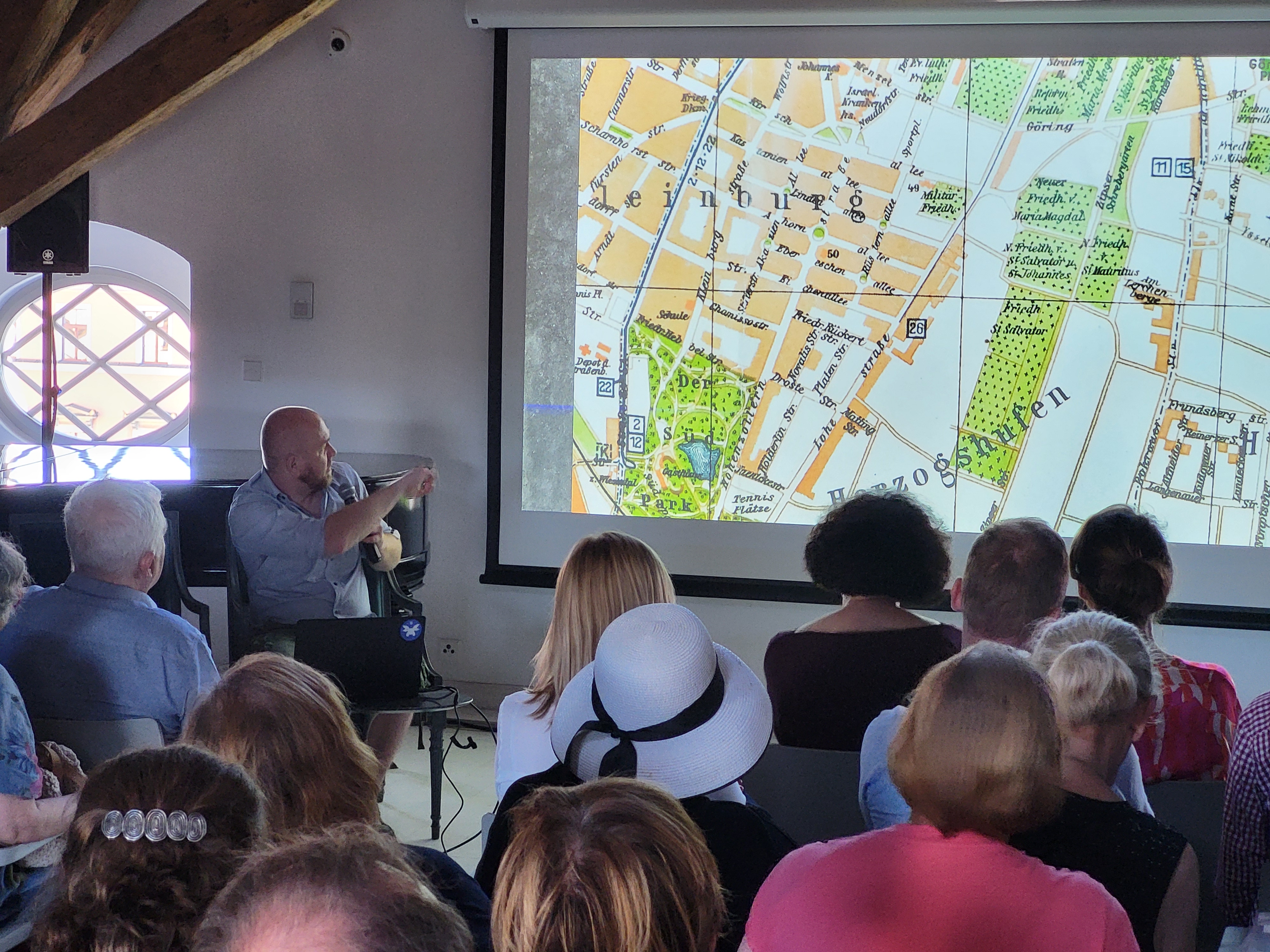
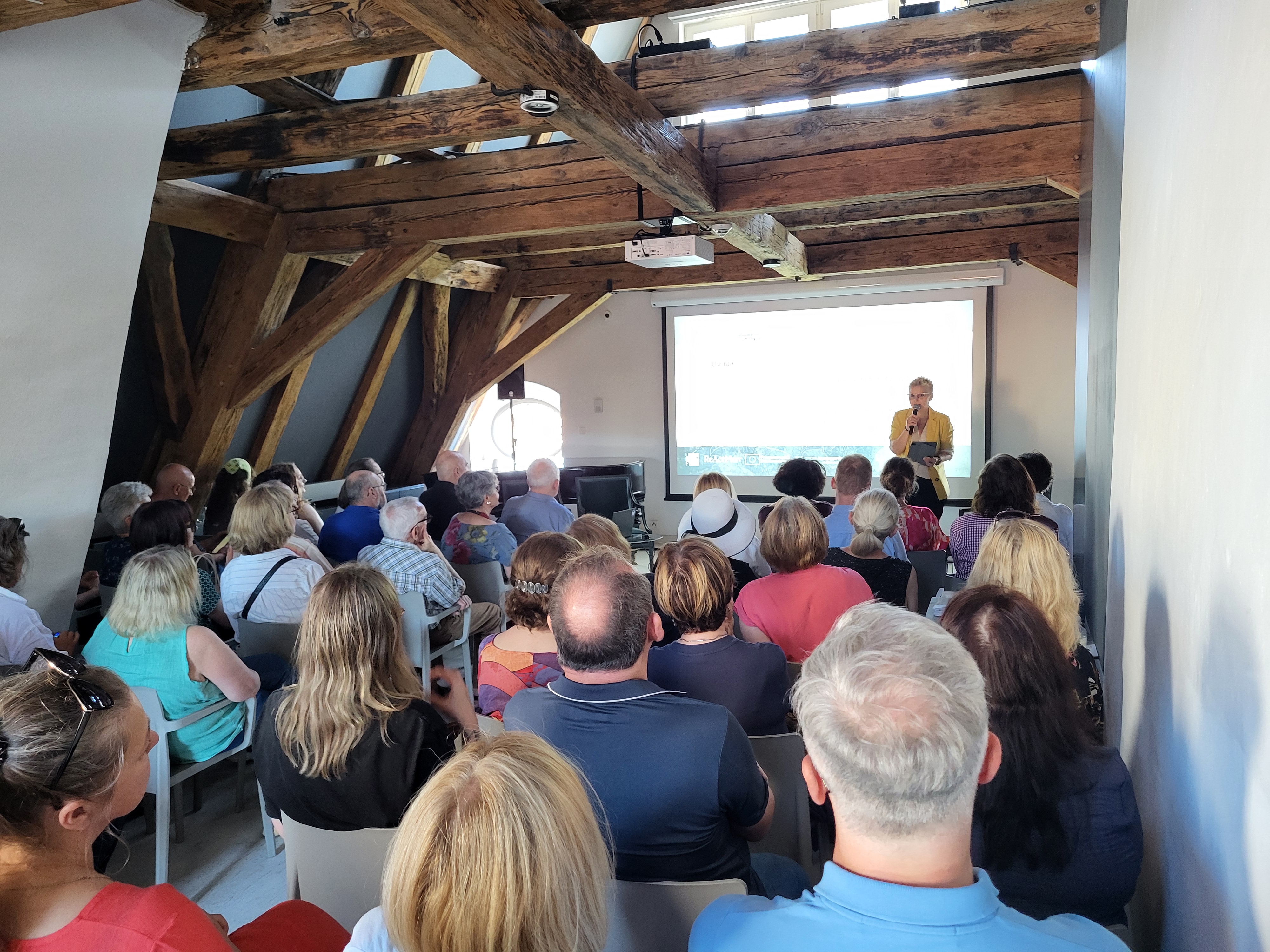
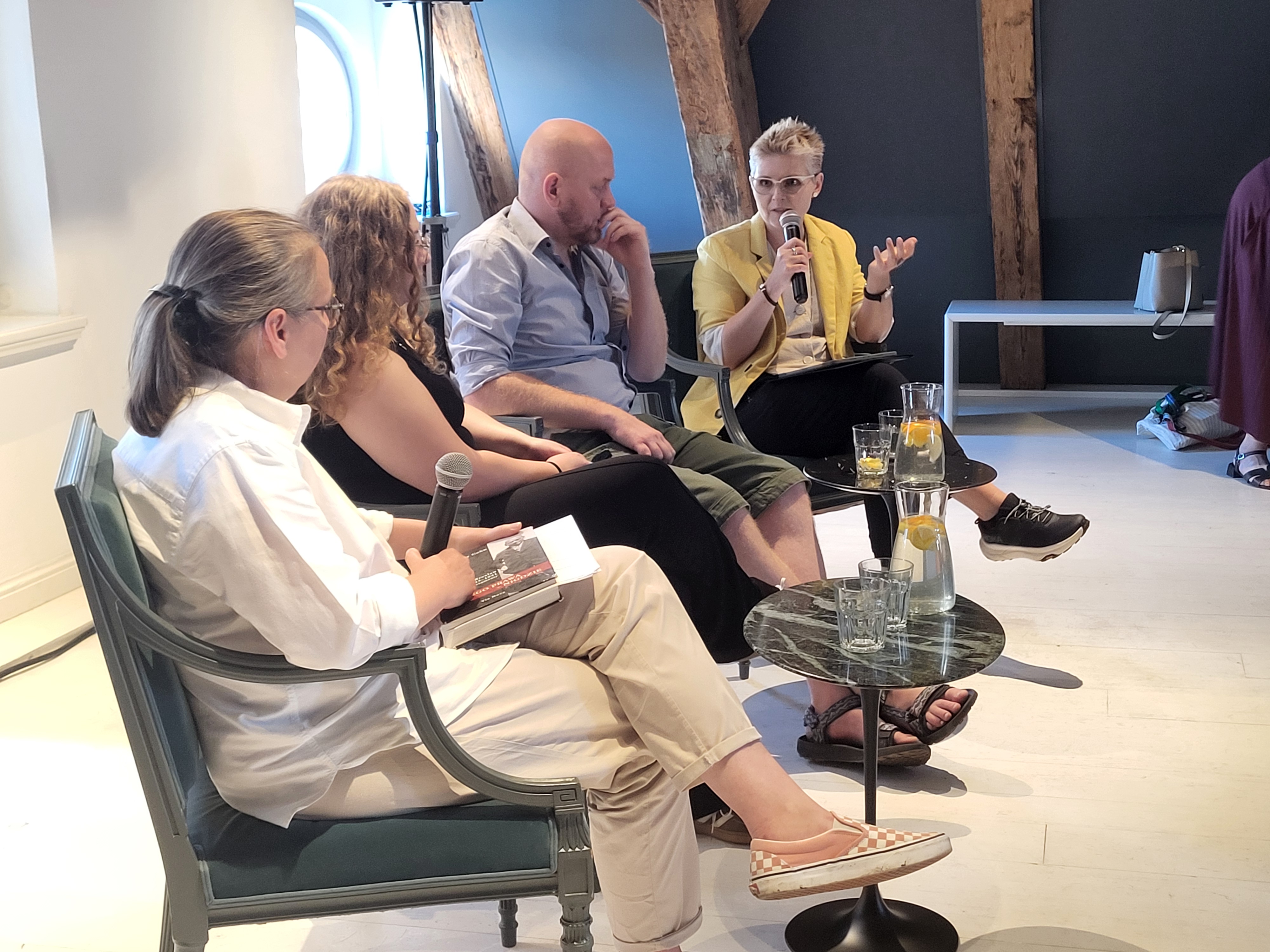
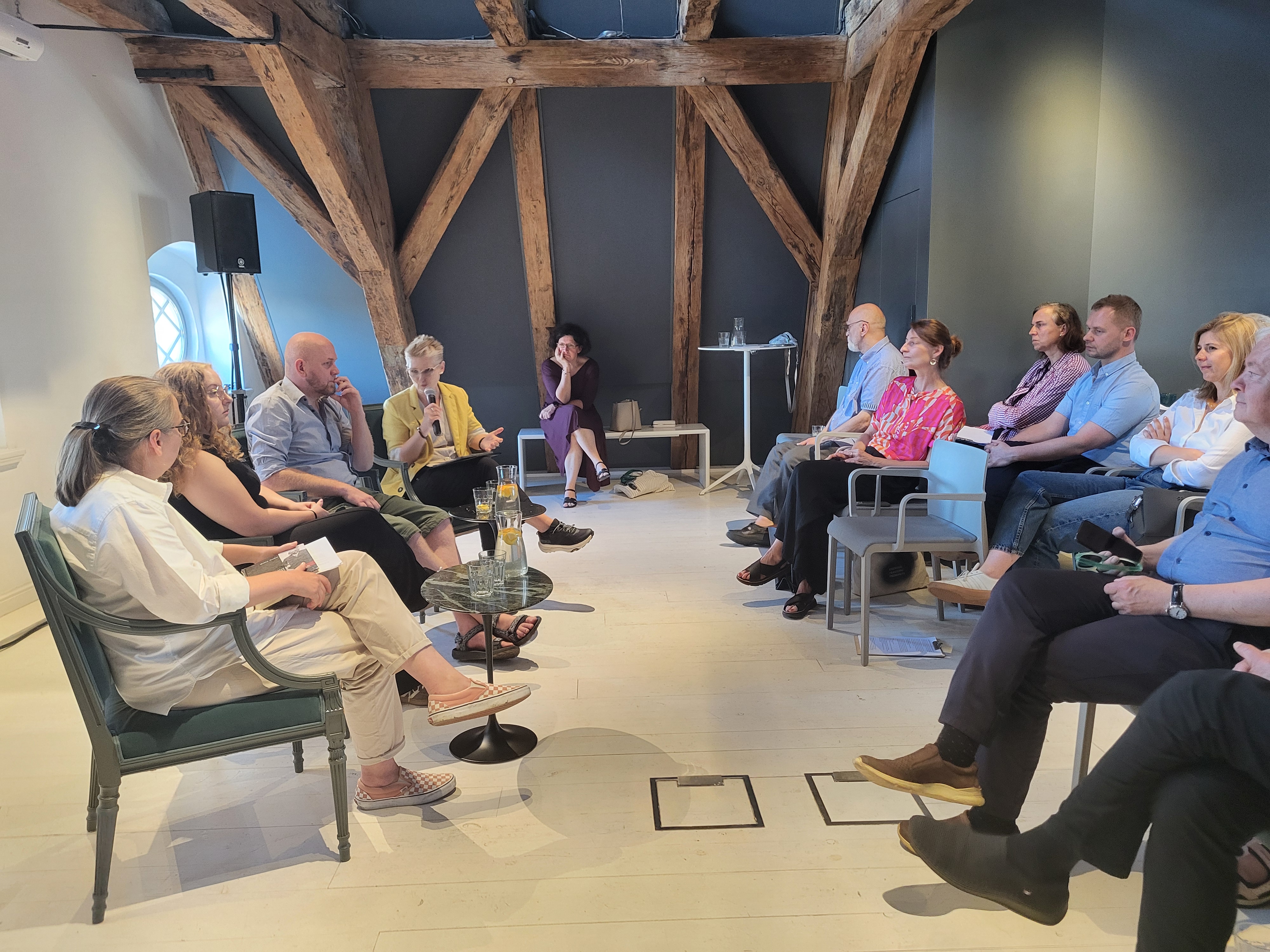
This public seminar at OP ENHEIM cultural house is dedicated to the life of Hans Hamburger, a former resident of the tenement house and his forthcoming commemoration with a Stolpersteine (planned for August 22, 2026). His biography serve as a starting point for a broader discussion about everyday life, identity, love, belonging, and exclusion in Nazi Germany. The seminar presents the results of archival and historical research concerning Hans Hamburger, who most likely took his own life in 1941 while facing increasing persecution directed at Jews under the Nazi regime. Speakers will introduce other microhistories of former Breslau residents, demonstrating how fragments of personal stories can be reconstructed through archival documents, family records, and material traces preserved in the urban landscape or at the family archives.
Event organizers: UMF and OP ENHEIM Foundation in partnership with the Deutsch-Polnische Stiftung Kulturpflege und Denkmalschutz.
Photos: UMF (Agata Konarska, Agata Strządała)
-
-
15.00
Heritage Walk: Borek – Jewish Collectors and Other Pre-war Histories of the District
- Maciej Wlazło
 Borek, Wrocław
-
-
-
18.00
Public Seminar: Who Lived Here? Hans Hamburger and Other Microhistories from Pre-war Breslau
- Dr Monika Piechota
- Weronika Błażejczak
- Dr Alan Weiss
- Dr Katka Reszke - Moderator
OP ENHEIM, Wrocław
-

Heritage Walk: Borek – Jewish Collectors and Other Pre-war Histories of the District
-
Maciej Wlazło
MACIEJ WLAZŁO is a city guide to Wrocław. Known on social media as the Beard of Breslau, he describes and comments on the state of the German heritage remaining after the war in Wrocław and Lower Silesia, and shares interesting historical facts about the city and region. He educates on Wrocław's lesser-known history by giving lectures, readings, and organizing city walks.
June 6, 2026
15.00
Borek, Wrocław
Borek, Wrocław Come join us for the heritage walk through Borek, one of the most prestigious residential districts of pre-war Breslau. Led by local activist and city guide Maciej Wlazło, the walk will explore the lives of Jewish collectors (i.e. Max Silberberg), art patrons, entrepreneurs, scientists, and architects who contributed to the cultural and intellectual life of the city. You will learn about private art collections once housed in the district’s villas, ranging from Old Masters to modern art, and discussed the fate of these collections following the Nazi seizure of power in 1933 and the political transformations after 1945.
We will look for traces of former residents that remain visible in the city today, including Stolpersteine (Memory Stones) commemorating victims of Nazi persecution in this area, i.e. Egbert Kipke who was sentenced under §175 as a queer person in 1939 and sent to camps in Emsland, then to Auschwitz (Memory Stone on Aleja Wiśniowa 22) or the family of Jewish historian Willy Cohn who together with his family was deported in 1941 to Kaunas and murdered there.
Public Seminar: Who Lived Here? Hans Hamburger and Other Microhistories from Pre-war Breslau
- Dr Monika Piechota
- Weronika Błażejczak
- Dr Alan Weiss
- Dr Katka Reszke - Moderator
June 22, 2026
18.00
OP ENHEIM, Wrocław
OP ENHEIM, Wrocław This public seminar at OP ENHEIM cultural house is dedicated to the life of Hans Hamburger, a former resident of the tenement house and his forthcoming commemoration with a Stolpersteine (planned for August 22, 2026). His biography serve as a starting point for a broader discussion about everyday life, identity, love, belonging, and exclusion in Nazi Germany. The seminar presents the results of archival and historical research concerning Hans Hamburger, who most likely took his own life in 1941 while facing increasing persecution directed at Jews under the Nazi regime. Speakers will introduce other microhistories of former Breslau residents, demonstrating how fragments of personal stories can be reconstructed through archival documents, family records, and material traces preserved in the urban landscape or at the family archives.
Event organizers: UMF and OP ENHEIM Foundation in partnership with the Deutsch-Polnische Stiftung Kulturpflege und Denkmalschutz.