
10.10.2025, 13.03.2026 & 22.03.2026
Site specific heritage walks in Wrocław
Gwarna Jewish Cemetery
1/8
events Programme
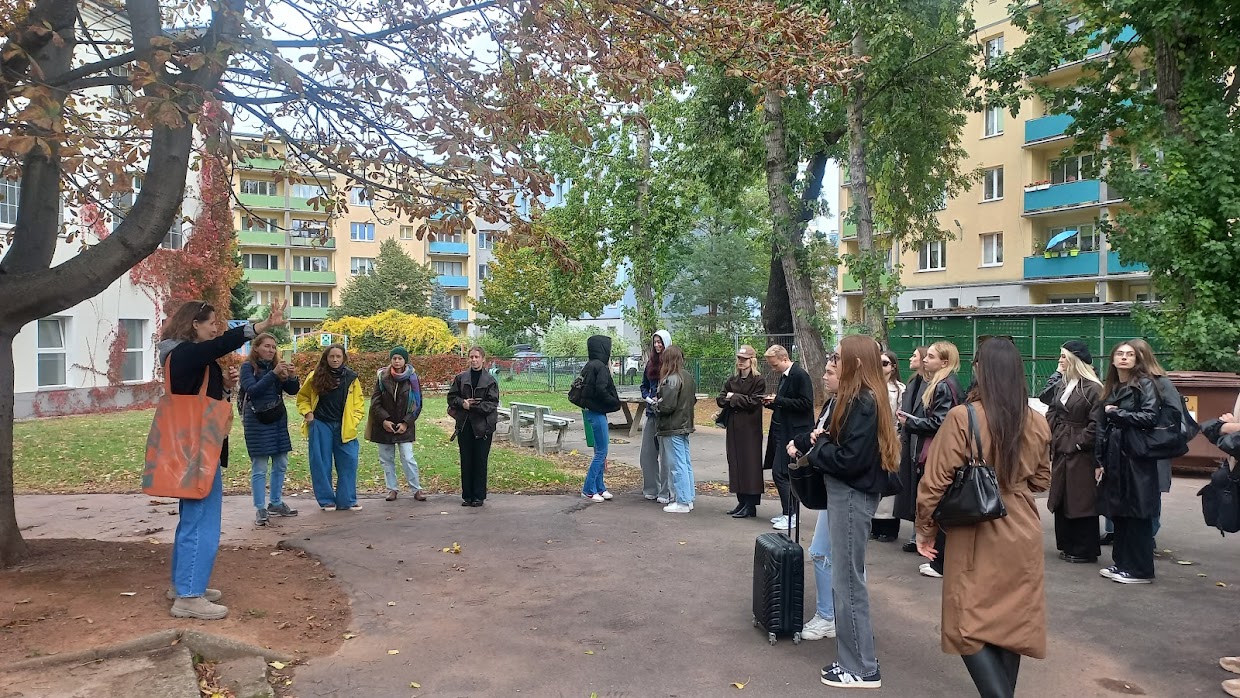
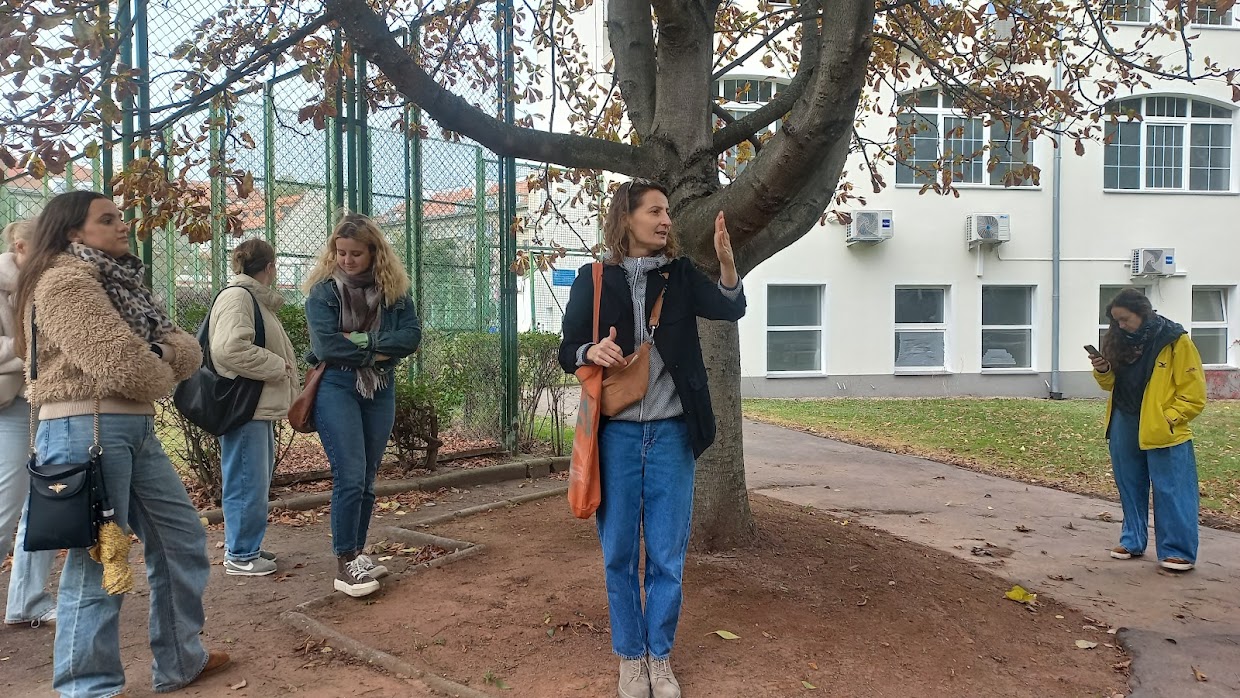
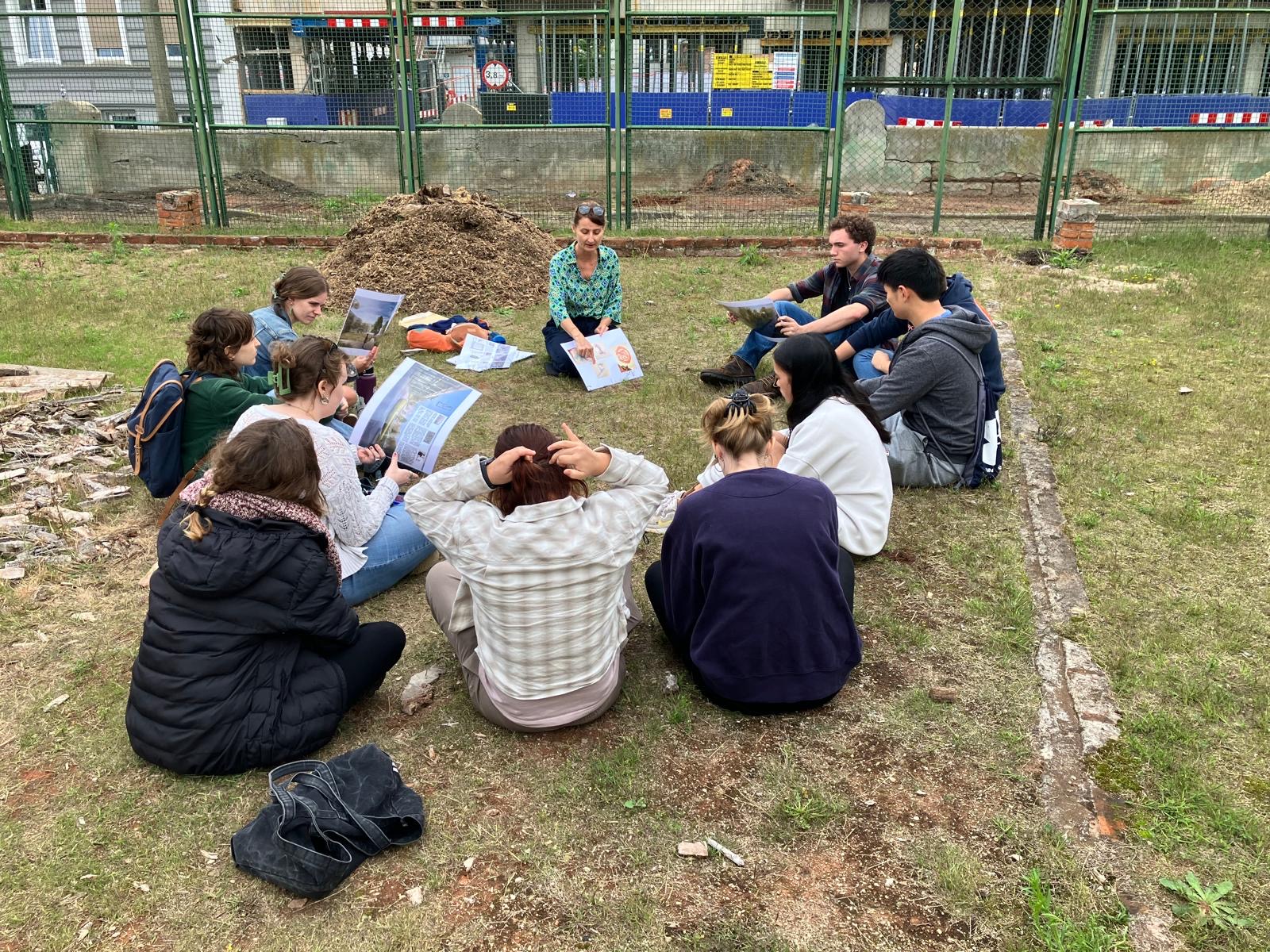
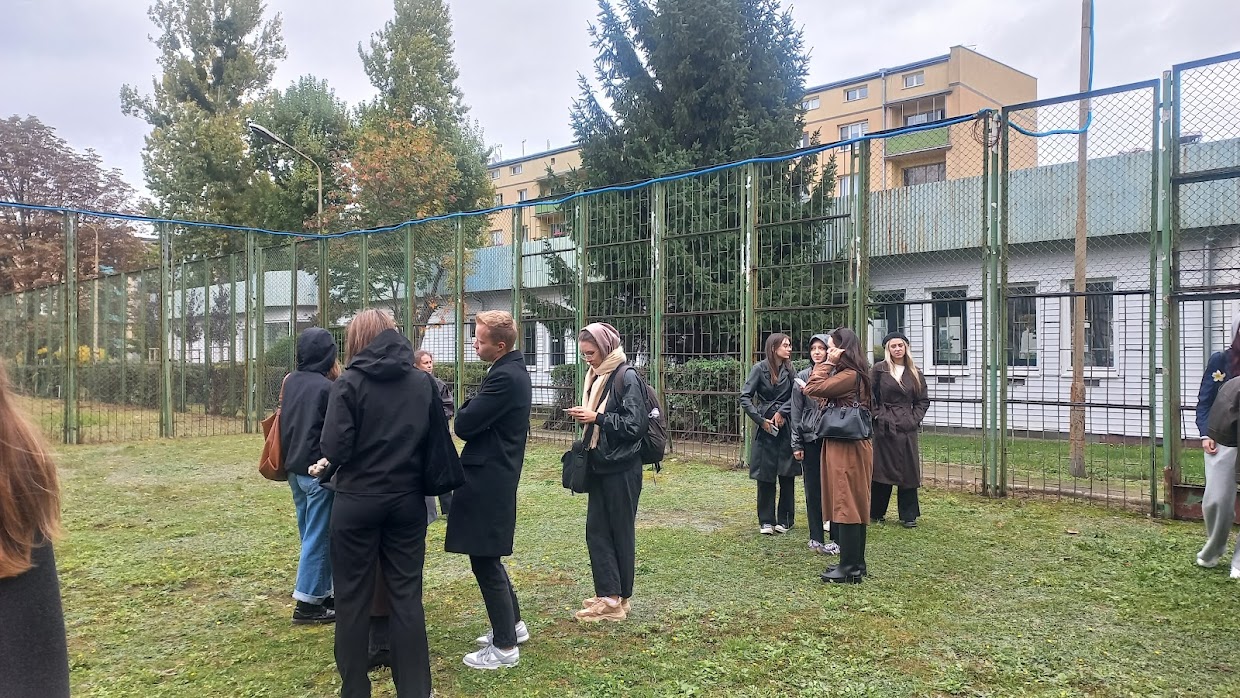
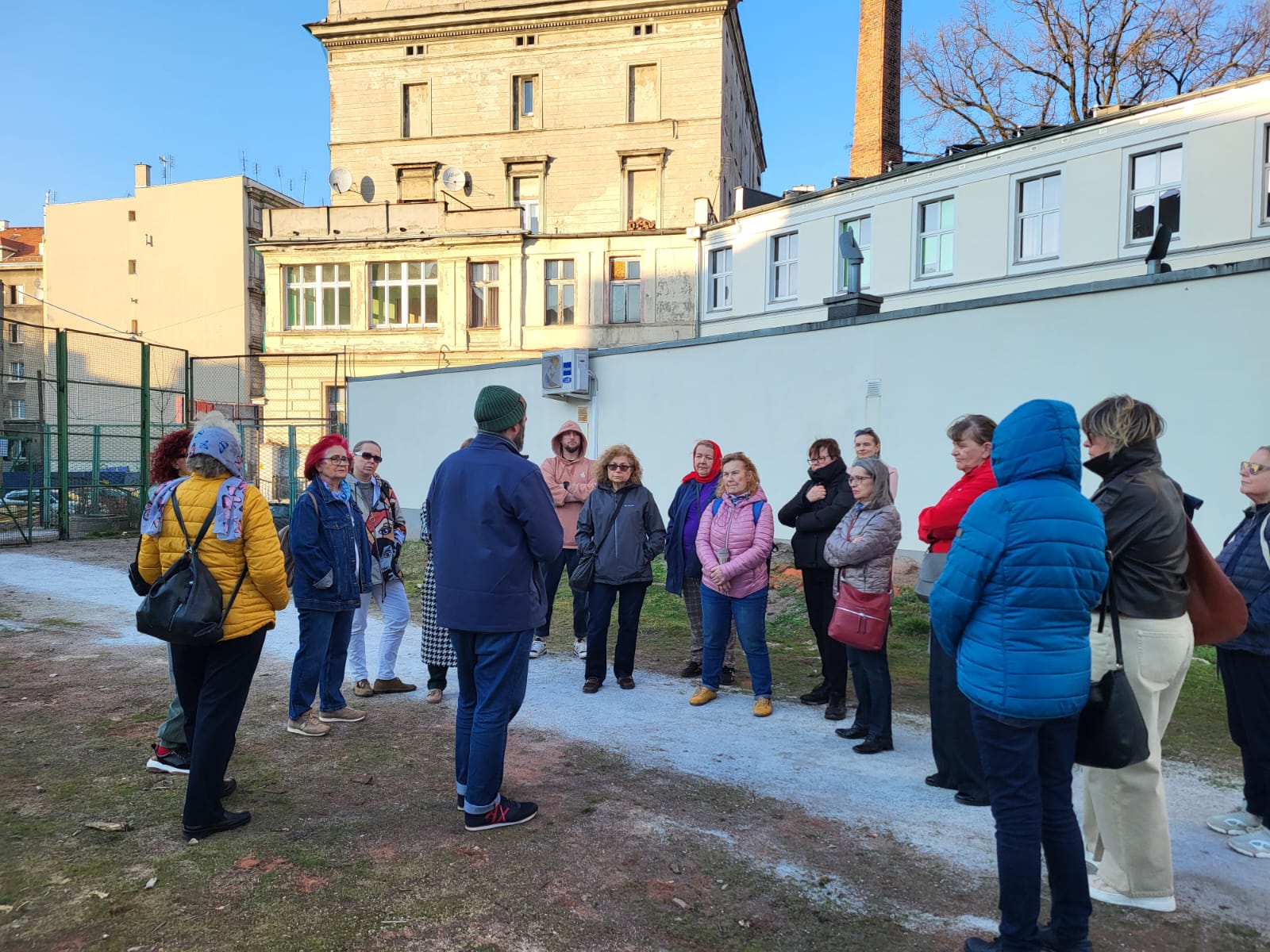
The series included three site specific heritage walks led by different experts featuring the area of the destroyed Jewish cemetery on Gwarna Street in Wrocław. Two of them were deep-dive sessions at the site of the cemetery and the third one was a city walk leading the group to the cemetery site and its story.
The first activity was organized on 10.10.2025 as a guided heritage walk titled “Green Commemoration for Gwarna” led by Aga Jabłońska of UMF and Dr. Justyna Rubaszek of the Wrocław University of Environmental and Life Sciences (UPWr) for students of the UPWr within the Landscaping Architecture course. The tour introduced the historical and spatial context of the cemetery site and included educational session encouraging reflection on the relationship between urban development, ecology, and memory.
On 13 March 2026, a thematic walk entitled “Jewish burial law on the example of the cemetery at Gwarna Street” was led by Aleksander Schwarz, a heritage and Halakha expert on burials, also a representative of the Rabbinical Commission for Jewish Cemeteries in Poland. Agata Strządała of UMF introduced the historical context of the cemetery and commemorative efforts. The tour focused on Jewish burial practices, the religious and cultural significance of graves, and ethical principles related to the protection of burial sites. Participants also learned about the history of the cemetery and efforts of commemoration.
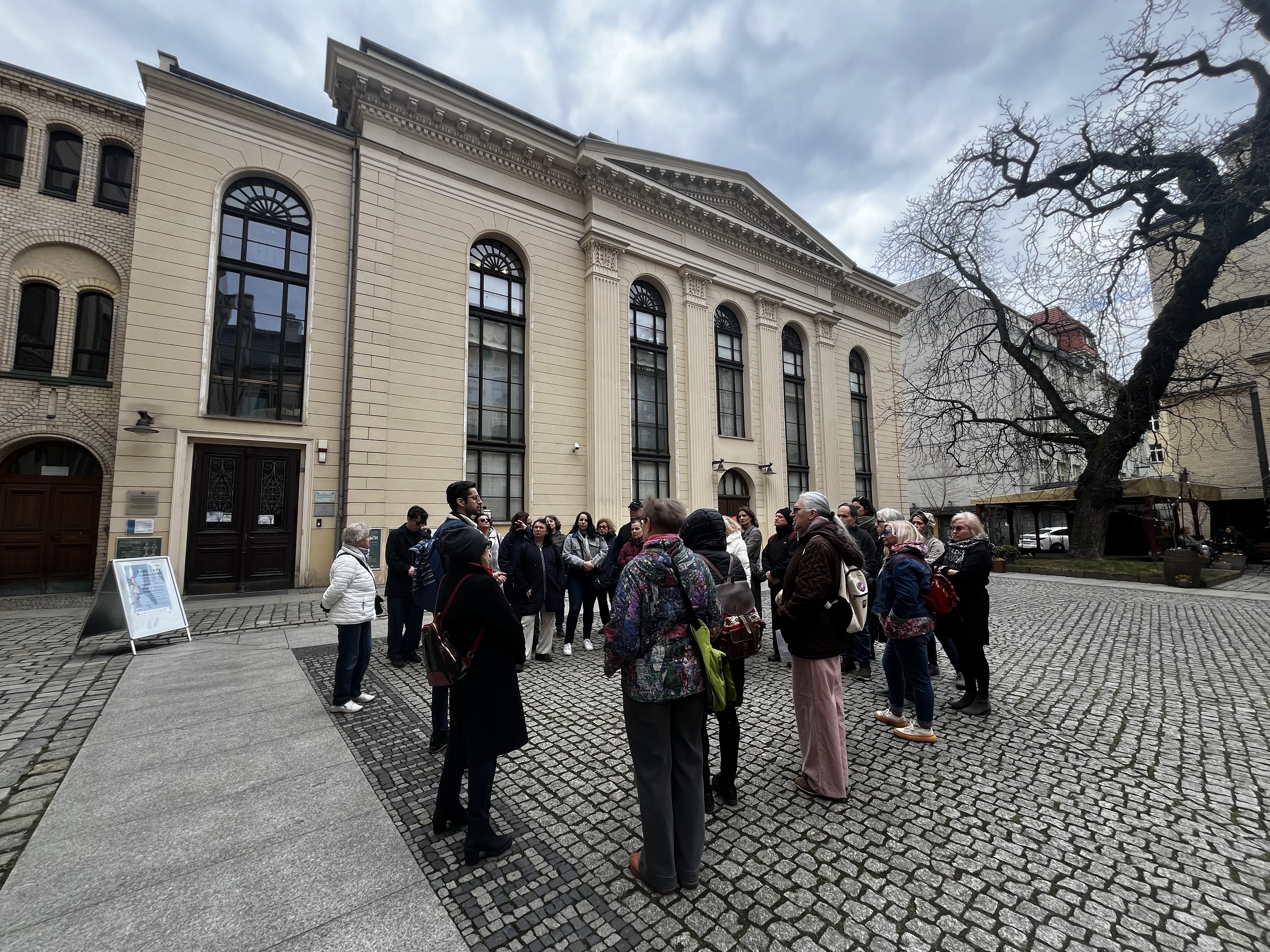
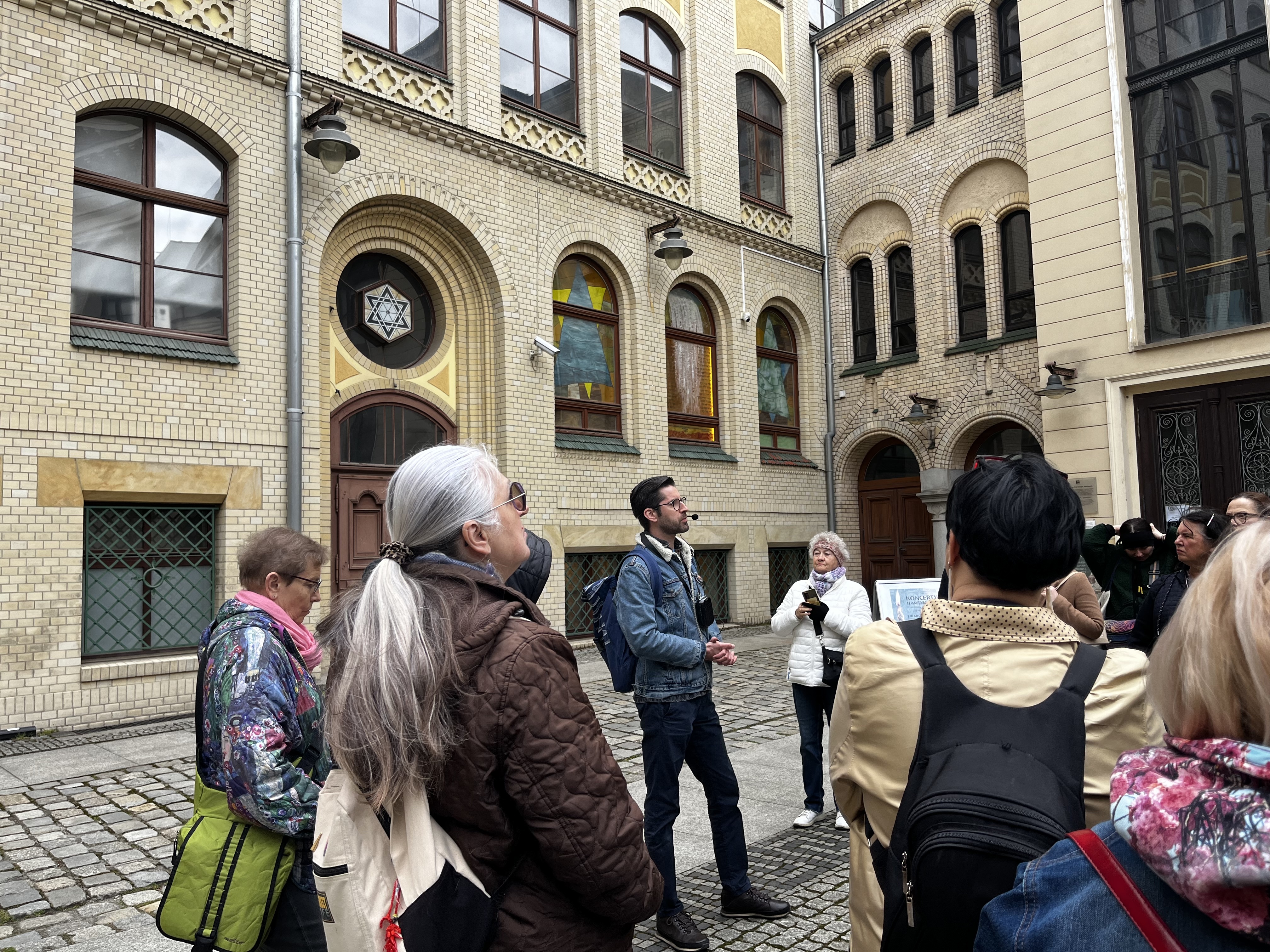
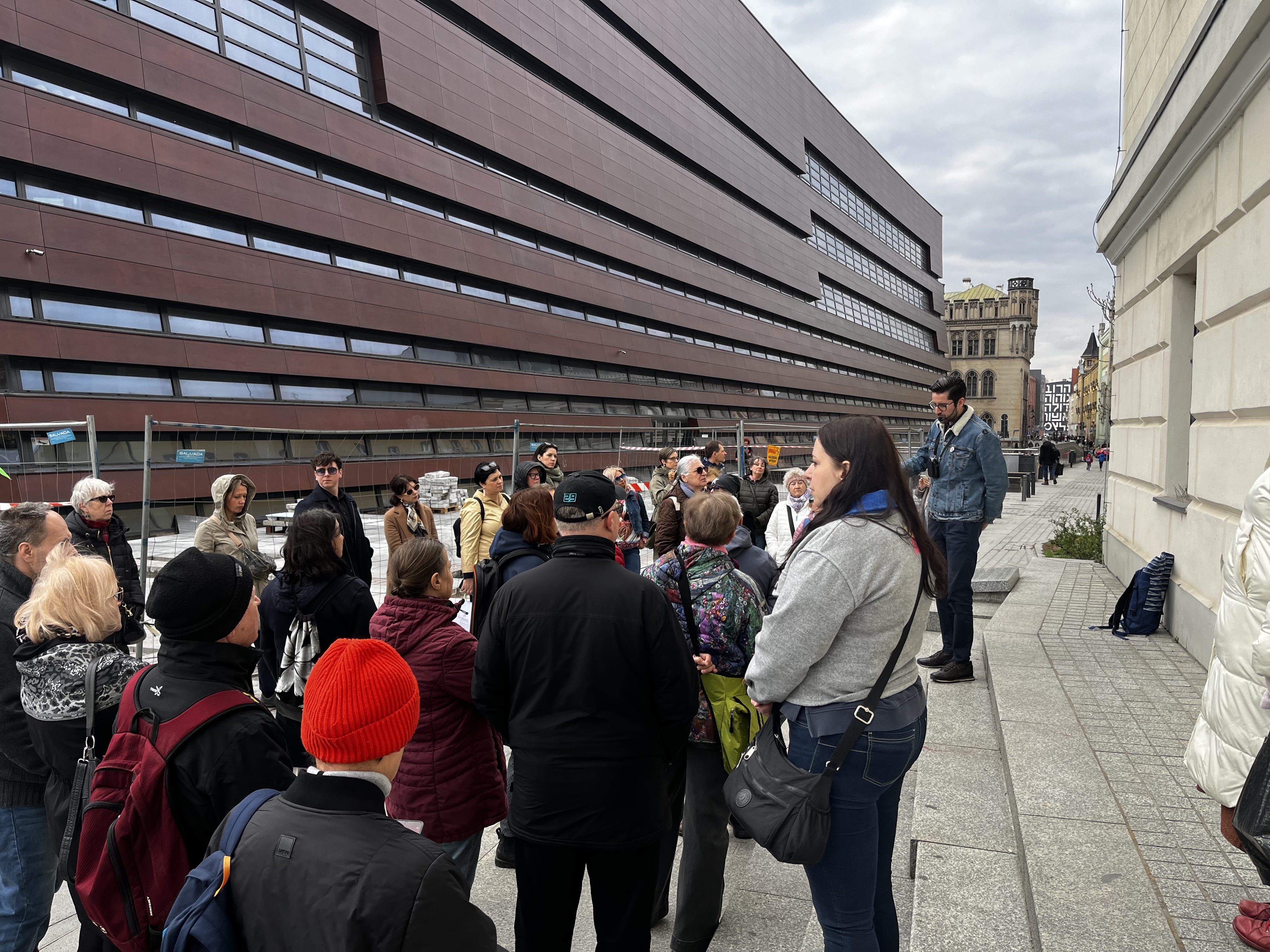
A third public walk took place on 22 March 2026 under the title “Tracing Jewish Breslau: Włodkowica–Gwarna”. The walk began at the White Stork Synagogue, continued through historically significant locations, and concluded at Gwarna Street. Participants explored the history of Jewish life in pre-war Breslau, the transformation of the district in the 19th and 20th centuries, and the role of urban space in preserving memory. The walk also addressed the destruction of Jewish heritage, including the burning of the New Synagogue during the November pogrom in 1938. The walk was led by Maciej Wlazło, a certified city guide and educator specialising in the multicultural history of Wrocław. Aga Jabłońska of UMF concluded the walk at the cemetery site and presented its history, Jewish perspective on burial grounds and commemorative efforts.
The series contributed to raising awareness of the Jewish heritage of Wrocław, fostering discussion on ethical and sustainable approaches to commemoration, and strengthening dialogue between experts and local communities. It also supported the development of participatory practices in heritage interpretation.
Photos: Aga Jabłońska, Agata Strządała, Juliet D. Golden, Justyna Rubaszek.
