

-
Green commemorations
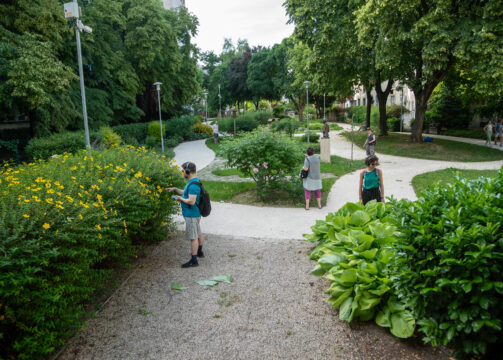
Overall context Immanuel Löw, Chief Rabbi of Szeged and pioneering scholar of biblical and Talmudic botany, offers a powerful starting point for thinking about green commemoration. His work showed that plants, landscapes and natural environments are not only background to human history, but also carriers of language, ritual meaning, memory and care. Remembering Löw […]
-
Artistic Interventions
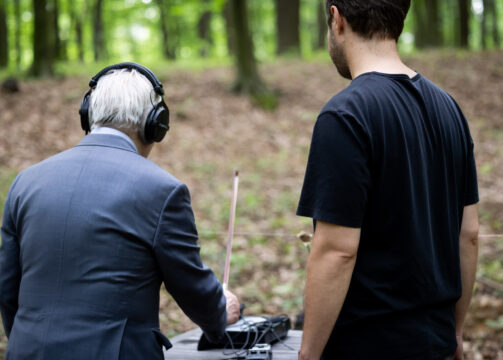
Highlights Using theatre and performance to address contemporary war, political violence and moral uncertainty Creating artistic spaces for dialogue after performances through talkbacks and discussions Engaging Jewish artists, curators and cultural workers across borders Exploring the relationship between Jewish identity, nationalism, antisemitism and contemporary crises Background Memory work does not happen outside the […]
-

Exhibitions as Memory Practices
Background Exhibitions can be powerful tools of memory work. They do not only present objects or artworks; they can create public situations in which visitors encounter difficult histories, ask questions, move through space, listen, reflect and enter into dialogue. This is especially important when the histories being addressed are fragmented, erased, politically sensitive or dispersed […]
-
Participatory co-creation
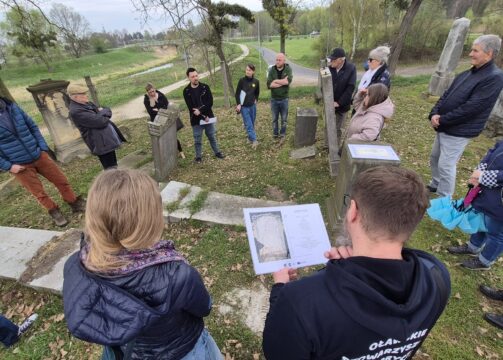
Highlights Transforming inventory work into a participatory, educational process Combining documentation, interpretation, art- and care-based practices Engaging students, local communities, and heritage professionals with site-specific projects Description A series of three educational and commemorative field activities conducted in Złotoryja, Oława, and Chrzanów focused on the participatory documentation, interpretation and/or marking of dispersed Jewish […]
-
Community Engagement
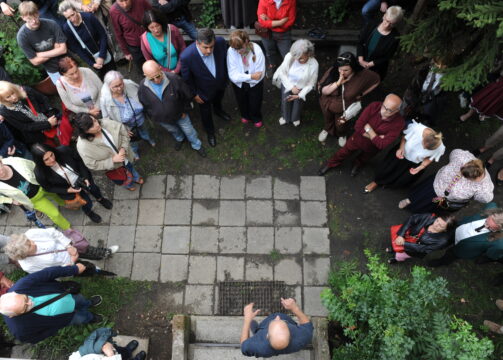
Context Activities related to Jewish memory and heritage can take various forms. The first case study described in this chapter focuses on micro-histories of specific regions and includes initiatives addressed to contemporary residents, such as guided walks, exhibitions, and interviews, as well as professional interventions aimed at preserving material traces, including conservation and archaeological […]
-
Heritage Walks
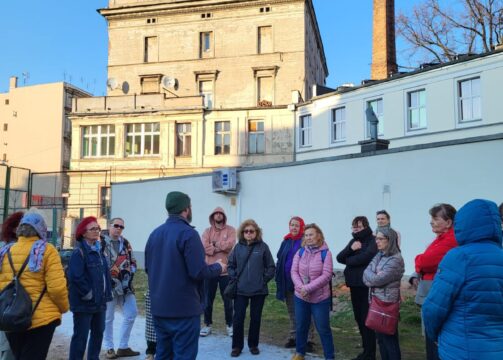
Background Immersive memory walks are increasingly used as a non-invasive method of engaging with difficult heritage sites, especially where material traces are absent, contested, or ethically sensitive. They shift the focus from permanent physical interventions to embodied, temporal, and sensory experiences, allowing participants to encounter memory through movement, perception, and dialogue. The integration of […]
-
Trainings at memory sites
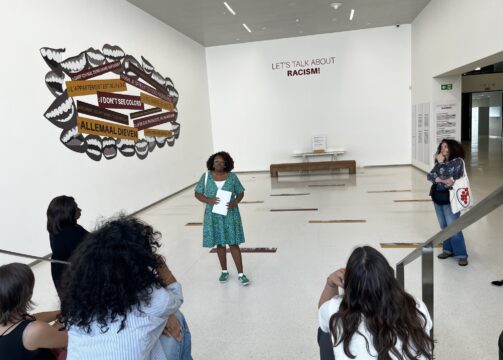
Background Anti-discrimination training can be strengthened when it moves beyond classroom-based learning and incorporates direct engagement with places of memory. In the context of difficult heritage, historical sites, especially those neglected, destroyed, or socially forgotten can become powerful learning environments for understanding how stereotypes, prejudice, exclusion, and collective forgetting are formed and reproduced. This […]
-
Critical Heritage
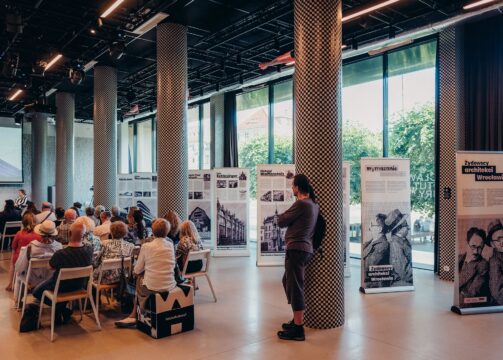
Context Critical heritage practices expand the field of remembrance beyond monuments and historical sites. They also include museums, academic collections, exhibitions, public discussions, and critical tours that question how heritage is collected, displayed, interpreted, and inherited. This approach is especially relevant when working with sensitive legacies: colonial-era collections, human remains, looted or displaced objects, […]
-
Intersectionality
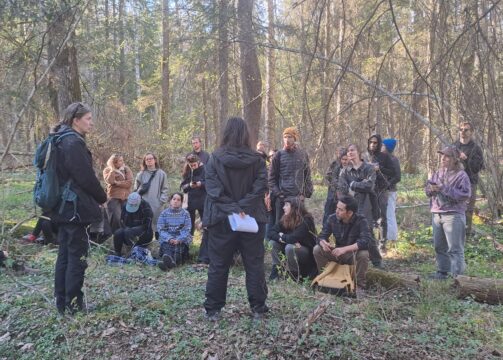
Background Difficult heritage rarely belongs to only one group, one historical event, or one clearly defined place. It often emerges where different histories of violence, displacement, erasure, and neglect overlap. Holocaust memory work has developed a wide range of methods for responding to such sites: documenting traces, marking absence, working with non-sites of memory, practising […]
-
Public Policy
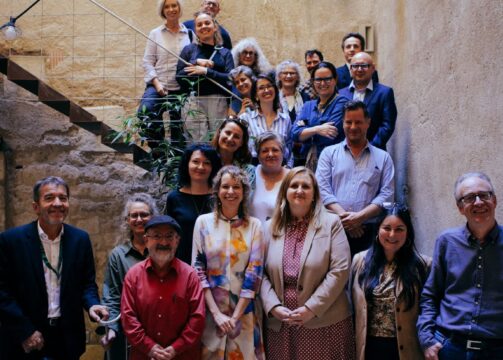
Context Developing effective public policy for minority heritage – including Jewish heritage – remains a complex challenge that requires cooperation between diverse stakeholders, institutions, local communities, experts, and civil society actors. The two-day event in Barcelona, combining site-specific work with a forum for the exchange of experiences and expertise, sought to create conditions for discussing […]
-
New Networks
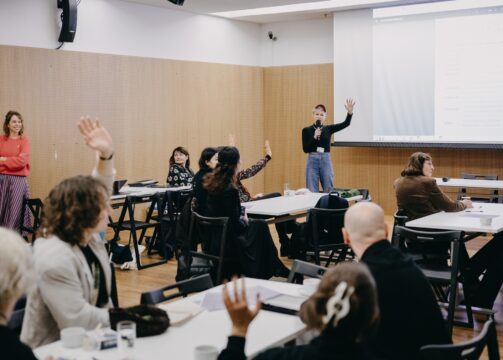
Context Growing social polarization and the phenomena of information bubbles make networking projects increasingly necessary. Such initiatives create a safe space for the exchange of knowledge and experience, as well as for capacity-building and strengthening social resilience. There is a particular need for this type of support among various vulnerable groups, including early-career Holocaust […]
-
Conclusions
The approaches presented throughout this handbook – green commemorations, artistic interventions, exhibitions as memory practices, participatory co-creation, community engagement, heritage walks, trainings at memory sites, critical heritage perspectives, intersectional approaches, public policy initiatives, and the creation of new networks – demonstrate that memory work doesn’t have to be limited to preserving the past. It can […]